Skip to content
You need drain cleaning now if your sinks, tubs, or showers drain slowly, your pipes gurgle, or nasty “old grease” odors keep coming back. Take it seriously when two or more drains slow down at once, since that can signal a main line clog. Watch for water backing up, toilets bubbling or flushing weakly, and repeat clogs that plunging won’t fix. If water pools near a cleanout or floor drain, more warning signs are ahead.
Key Takeaways
- Slow drains or water pooling in sinks and showers often means buildup restricting flow and needs cleaning.
- Recurring foul drain odors suggest grease or biofilm buildup trapping sewer gas, signaling a developing clog.
- Multiple slow drains at once usually indicate a main line blockage downstream, requiring professional inspection and cleaning.
- Gurgling sounds from drains or toilets mean trapped air pushing past a clog or venting issue, often from significant buildup.
- Water backing up into tubs, sinks, or floor drains is an urgent blockage warning; limit water use and schedule cleaning immediately.
Slow Drains That Mean You Need Drain Cleaning
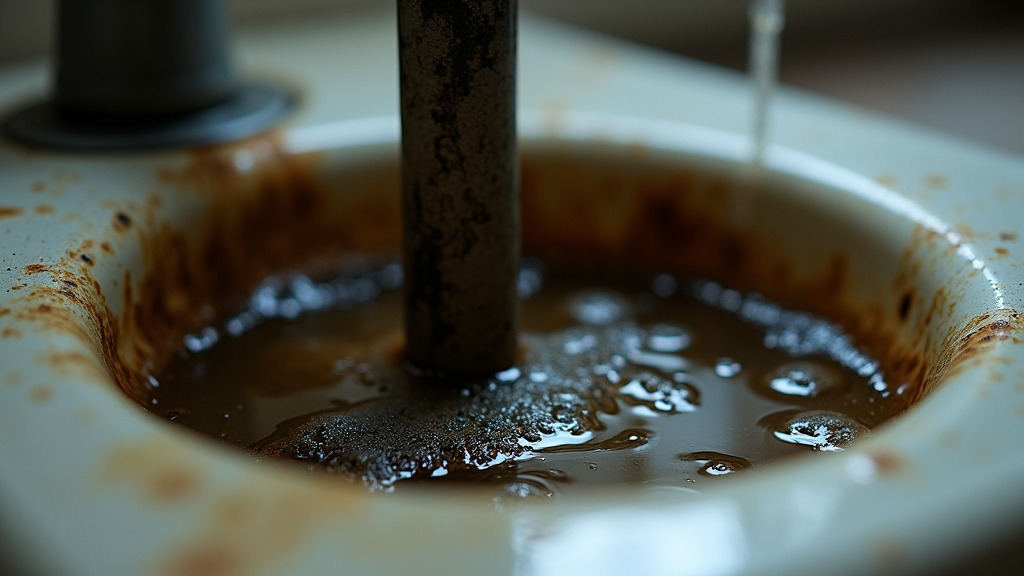
Although a single sluggish sink might seem like a minor annoyance, slow drains often signal buildup in your pipes that won’t clear on its own.
When water pools in the tub, shower, or basin, you’re seeing resistance from soap scum, hair, grease, or mineral scale narrowing the line. If multiple fixtures drain slowly, the problem may sit deeper in the branch or main drain, and quick DIY chemicals can damage pipes while masking the real restriction.
Pay attention to how long it takes for standing water to disappear after normal use; a steady slowdown usually means the blockage is growing. You can reduce recurrence with smart drain maintenance, like catching debris and flushing with hot water as appropriate, but persistent slowness calls for professional cleaning.
Schedule plumbing inspections when slow drains return often, or when you notice backups starting during routine tasks. Acting early saves time and prevents messes later.
Gurgling Drains and Pipes (Air Trapped by a Clog)
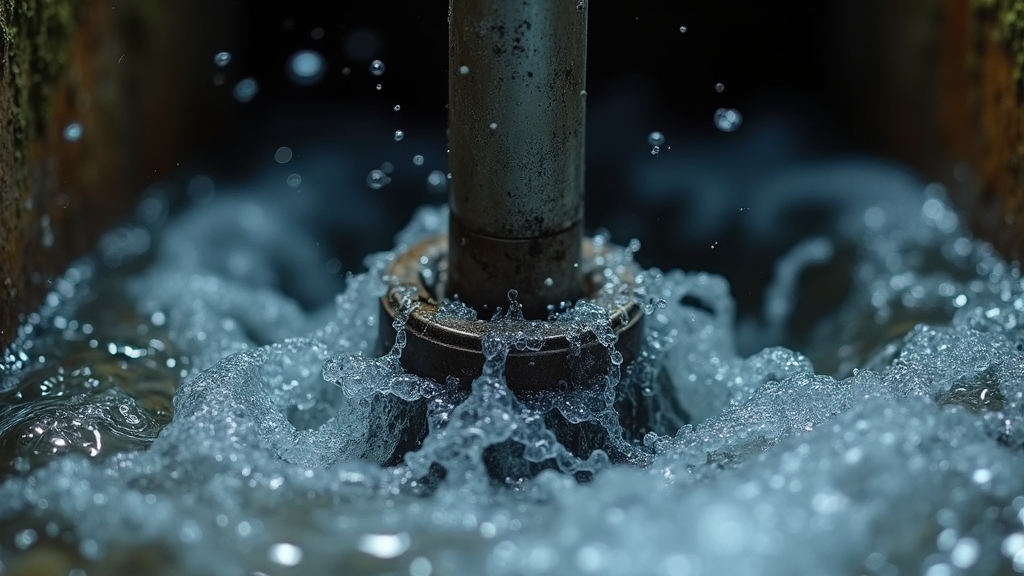
When you hear gurgling from a sink, tub, or toilet, you’re often listening to trapped air getting forced past a clog. That blockage narrows the pipe, so water can’t flow smoothly. Instead, it pulls and pushes pockets of air, creating gurgling noises as the plumbing struggles to equalize pressure.
You might notice the sound right after you flush, run the faucet, or drain a tub. Sometimes you’ll also see air bubbles rise in the bowl or at the drain opening.
Those bubbles signal the line isn’t venting or draining freely because something’s restricting the path—grease, soap scum, hair, or debris. If the gurgling happens repeatedly, the clog usually isn’t minor, and it can worsen until water backs up.
Cleaning the drain restores a clear channel, lets air move normally, and stops that telltale gurgle.
Recurring Drain Odors That Point to Buildup
If you keep smelling foul odors from a drain, you’re likely dealing with buildup that’s trapping sewer gas.
Grease deposits and sticky biofilm can rot in the pipe and send up a sour, rancid smell even after you run water.
When those odors keep coming back, you can count on a hidden clog forming and a drain cleaning can clear it out.
Sewer Gas From Buildup
Even a faint sewer-like smell drifting up from your sink or shower can signal more than a one-off odor—it often points to buildup inside the drain. As waste residue narrows the pipe, trapped gases can push back through weak seals or dry traps, so the odor returns after rinsing or running fans. Treat it as a sewer maintenance warning, not an air-freshener problem. If you notice headaches or a “rotten” scent near multiple drains, schedule gas detection and a professional cleaning to restore proper flow and venting.
| What you notice | What it suggests | What to do |
| Odor after using water | Pressure shifts in line | Book inspection |
| Smell in multiple rooms | System-wide restriction | Request cleaning |
| Odor after rain | Sewer line overload | Check venting |
| Bubbles in trap | Gas pushing through | Test traps |
Grease And Biofilm Odors
Although the smell might seem harmless, recurring “old grease” or musty, sour odors from a kitchen sink or shower usually mean a biofilm layer has formed inside the pipe.
That slimy coating traps food particles, soap scum, and bacteria, and it keeps releasing odor every time water runs.
If you notice the stink returns soon after you rinse with hot water or use a deodorizing product, you’re probably dealing with grease buildup and biofilm, not a one-time mess.
You can reduce it by avoiding pouring fats down the drain and by flushing with enzyme cleaners, but heavy buildup needs proper biofilm removal.
When odors spread to nearby rooms or come back weekly, schedule drain cleaning now.
Multiple Slow Drains (Possible Main Line Clog)
Two slow drains in different parts of your home usually point to more than a localized clog—it can signal a developing blockage in the main sewer line.
When you notice the kitchen sink draining slowly while a bathroom sink lags too, you’re likely dealing with shared drain issues farther downstream, not two separate problems.
Main lines collect flow from multiple drain sources, so buildup can reduce the pipe’s effective diameter and slow everything connected to it.
Common culprits include accumulated soap scum, grease residue, paper products, tree-root intrusion, or mineral scale in older piping.
You might also see gurgling noises, inconsistent draining that improves briefly, or slowdowns that worsen after heavy water use like laundry.
If more than one fixture acts up within a day or two, don’t keep chasing each trap with chemicals.
Schedule a professional inspection and cleaning before the restriction becomes a full obstruction.
Water Backing Up in Sinks, Tubs, or Showers
When water backs up into your sink, tub, or shower, it’s a clear sign the drain line can’t move wastewater away fast enough. You might notice water rising, then draining slowly, or not draining at all.
This often starts with partial blockages from soap scum, hair, grease, or mineral buildup, and it can quickly turn into clogged sinks or recurring shower backups.
Watch for these warning signs and act before the mess spreads:
- Water pools around your feet during showers
- Your tub fills while the faucet runs normally
- Sink water returns after you shut the tap off
- You hear gurgling from the same fixture as it drains
- You smell musty odors near the drain opening
If you’re reaching for a plunger repeatedly or relying on chemical cleaners, you’re treating symptoms, not the cause.
Drain cleaning clears the buildup so wastewater flows out fast and reliably.
Toilet Bubbling, Weak Flush, or Repeat Clogs
Backups in sinks or showers often point to a growing blockage, and your toilet may show the next warning signs.
If you hear bubbling after a flush, air’s getting trapped in the drain line, often from buildup downstream. A weak flush that used to work can mean the waste line is narrowing, so water can’t move with enough force.
Repeat clogs are another red flag. If you plunge and the problem returns within days, you’re likely dealing with more than paper in the bowl. Hair, grease, mineral scale, or roots can create a stubborn restriction that keeps catching debris.
If clogs keep coming back after plunging, the problem’s likely deeper—hair, grease, scale, or roots restricting the line.
Don’t ignore these signals or keep using harsh chemicals; you can damage pipes and still not clear the real blockage. Instead, step up toilet maintenance: reduce flushable “wipes,” use less paper, and schedule professional drain cleaning.
The right plumbing solutions restore flow and help prevent messy, costly emergencies later.
Water Pooling Near the Cleanout or Floor Drain
If you notice standing water around your cleanout, your main line may be struggling to carry waste away.
When a floor drain gurgles or pushes water back up, you’re likely seeing early backflow from a developing blockage.
Don’t ignore persistent pooling, because it can also hide a slab leak that needs fast attention.
Cleanout Area Standing Water
Standing water near the cleanout or a floor drain signals trouble in your main line. When water pools around that access point, it often means wastewater can’t move freely past a clog or heavy buildup.
You’ll notice it after running a washer, taking a shower, or using multiple fixtures, and it may come with damp concrete or a musty smell. Don’t ignore it—standing water can seep into cracks and invite mold.
Watch for these clues and act fast:
- Water puddles reappear after you mop them up
- The area stays damp even in dry weather
- You see debris or grit near the cleanout cap
- Your yard near the line looks unusually soggy
- You’ve skipped routine cleanout maintenance
Floor Drain Backflow Signs
When a floor drain suddenly pushes water back up—especially near the cleanout—you’re seeing a clear sign your main line can’t handle normal flow. Instead of disappearing, water pools around the floor drain or spreads across the slab, sometimes carrying grit or odor.
If this happens after laundry, showers, or heavy rain, the line is likely partially blocked and pressure is forcing water to the lowest opening. You might also notice slow nearby fixtures, gurgling, or bubbles at the drain.
Don’t ignore it or just mop it up. Limit water use and schedule professional cleaning before the backup worsens.
Regular floor drain maintenance helps prevent repeat issues, and correct floor drain installation (proper trap, venting, and slope) reduces backflow risks in the first place.
Hidden Slab Leak Risk
Water pooling near a cleanout or floor drain doesn’t always come from a simple backup—it can also point to a hidden slab leak. When a pipe under your concrete breaks, water can travel and surface at low points, fooling you into thinking you only need a quick snaking.
Watch for these slab leak indicators and other hidden plumbing issues:
- Warm spots on the floor near the drain
- Musty odors or persistent dampness
- Unexplained water bill spikes
- Cracks in tile, grout, or the slab
- A constant running-water sound when fixtures are off
If you notice pooling plus any item above, don’t ignore it. Schedule drain cleaning and a leak check, because clearing a line won’t stop water escaping under the slab.
Acting fast can prevent foundation damage and mold.
Frequently Asked Questions
How Much Does Professional Drain Cleaning Typically Cost?
You’ll typically pay $100–$300 for professional drain cleaning, though average pricing can reach $500+ for severe clogs or main lines. You’ll gain service benefits like faster drainage, fewer backups, and longer-lasting plumbing.
Is Chemical Drain Cleaner Safe for Older Plumbing?
Chemical drain cleaner isn’t always safe for older plumbing; it can corrode pipes and loosen joints. You’ll protect plumbing safety by limiting use, flushing well, and choosing chemical alternatives like enzyme cleaners or professional snaking.
How Often Should Drains Be Professionally Cleaned?
You should schedule professional drain cleaning every 1–2 years, or yearly if you’ve got frequent clogs, older pipes, or heavy use. You’ll protect drain maintenance and keep a smart plumbing schedule by preventing buildup.
Will Drain Cleaning Damage Pipes or Void Warranties?
Drain cleaning usually won’t damage pipes or void warranties if you use approved methods and licensed pros. You’ll support pipe maintenance and warranty protection by avoiding harsh chemicals, keeping records, and following your manufacturer’s care guidelines.
Can Tree Roots Be Removed Without Replacing the Sewer Line?
Yes, you can often remove tree roots without replacing the sewer line. You’ll use root removal methods like hydro jetting or cutting, then keep sewer maintenance steady to slow regrowth and prevent future blockages.
Final Thoughts
If you’re seeing slow drains, hearing gurgling, smelling recurring “old sewer” or grease odors, or noticing water backing up or pooling near a floor drain or cleanout, your plumbing is warning you that it needs attention now—not later. Multiple slow drains, bubbling toilets, and repeat clogs that don’t stay fixed after plunging usually mean there’s a deeper blockage in your main line. Getting professional drain cleaning before the line fully closes can save you time, stress, and costly water or sewage damage inside your home.
If you’re in Metro Detroit and ready to deal with these warning signs before they turn into an emergency, DNA Honest Plumbing can help. Our team offers targeted drain cleaning, thorough cabling of sewer lines, detailed camera sewer inspections, and powerful hydro-jetting to clear buildup, roots, and hidden blockages safely. We focus on restoring flow and addressing the root cause so you’re not fighting the same slow drains and backups over and over.
Don’t wait for a full overflow or sewage backup to force your hand. Explore our full range of plumbing services, learn more about DNA Honest Plumbing, or request service through our Contact Us page to schedule drain cleaning now. If water is already backing up or pooling on floors, our 24/7 emergency plumbing services are available to protect your home, your plumbing system, and your peace of mind.