Skip to content
You choose emergency plumbing repair because you can’t afford leaks, sewer backups, or sudden pressure drops to shut you down or damage inventory. Fast response stops flooding, isolates the problem, and reduces slip and electrical hazards. You also protect your reputation by keeping restrooms usable and customers safe. Proper documentation and code-compliant repairs help you avoid fines and repeat issues. Next, you’ll see how to spot emergencies and what happens on an after-hours call.
Key Takeaways
- Emergency plumbing repair stops active leaks or flooding fast, preventing major damage to floors, walls, inventory, and equipment.
- Rapid response minimizes downtime, keeping restrooms usable and operations running to protect revenue and customer trust.
- Immediate isolation and safe restoration reduce hazards like slips, electrical risks, sewage exposure, and gas-like odors near fixtures.
- Fast fixes help maintain health and safety compliance, lowering the risk of fines, closures, and repeat citations.
- Clear documentation of repairs, causes, and materials supports insurance claims, maintenance tracking, and long-term prevention planning.
Is This a Plumbing Emergency at Your Business?
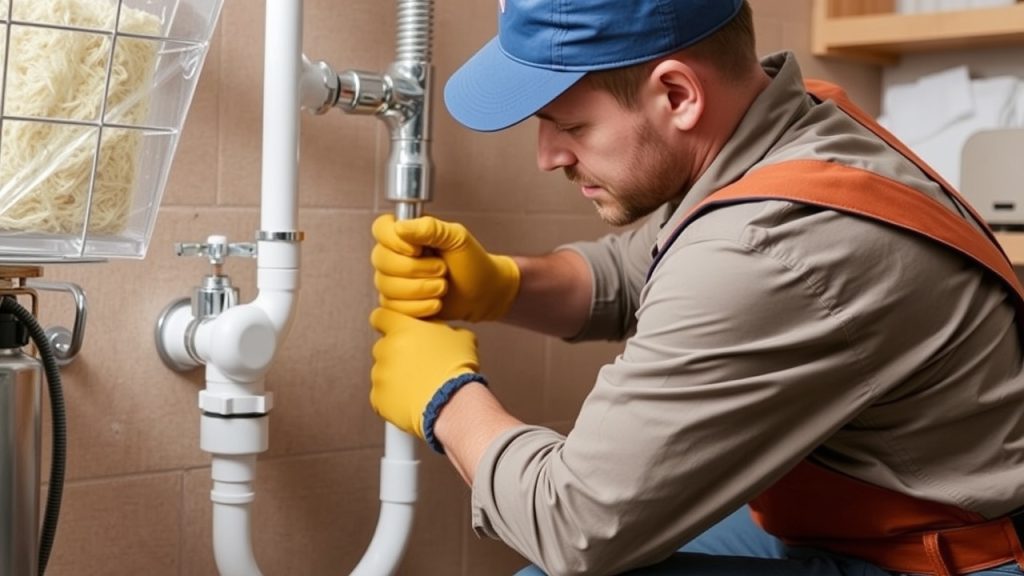
When does a plumbing problem at your business become an emergency? It’s an emergency when water, waste, or loss of service threatens safety, property, or operations.
Watch for emergency signs like active flooding, water pouring through ceilings, sewage backing up into drains, or a sudden drop to no water pressure. Treat persistent gas-like odors near fixtures as urgent, too, because they can signal a sewer vent issue.
Use a simple plumbing checklist to judge severity:
Run a quick checklist: fast-spreading water, electrical risk, unusable restrooms, contamination hazards, or multiple fixture failures.
Is water spreading fast?
Are electrical outlets, panels, or equipment at risk?
Is a restroom unusable for staff or customers?
Is there contamination, slipping hazards, or damage to walls and flooring?
Are multiple fixtures failing at once?
If you answer yes to any, you’re beyond a routine repair. A quick decision protects your building, limits downtime, and helps you document the problem for faster service.
What to Do in the First 10 Minutes
If a plumbing issue suddenly threatens your business, act fast and focus on containment: shut off the nearest water supply (or the main, if needed), cut power to any wet areas at the breaker, and keep staff and customers away from flooding or sewage.
Place caution signs, block off doors, and move inventory, electronics, and records to higher ground.
Next, perform an initial assessment. Identify where water’s coming from, how quickly it’s spreading, and whether you’re dealing with clean water, wastewater, or an unknown source.
Take photos and short notes for insurance and maintenance logs. Start your immediate actions: use towels, mops, or a wet vac to slow spread, set buckets under drips, and open windows for ventilation if odors appear.
Don’t use chemical drain openers, and don’t enter areas with standing water near outlets. Call your emergency plumbing line, share what you observed, and confirm safe access points before help arrives.
What an Emergency Plumber Can Fix (Commercial Examples)
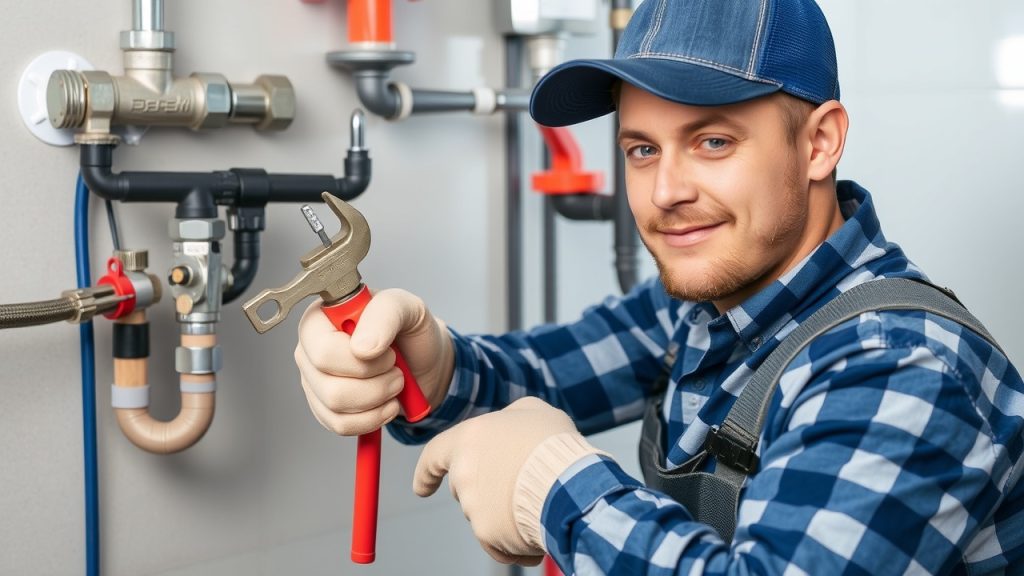
When a burst pipe floods your office, restaurant, or warehouse, an emergency plumber can shut off the right lines, stop the leak, and start damage control fast.
If you’re dealing with sewer backups or stubborn blockages, they can clear the obstruction, restore safe drainage, and help prevent contamination.
Next, you’ll see what these fixes look like in common commercial scenarios.
Burst Pipes And Flooding
Although a burst pipe can look like a simple leak at first, it can turn into a fast-moving flood that shuts down your business in minutes.
In offices, restaurants, and warehouses, flooding causes often include frozen lines, corroded fittings, failed pressure regulators, or equipment hoses that split without warning. You can’t afford to guess where the water’s coming from or how far it’s traveled.
An emergency plumber isolates the damaged section, shuts off or reroutes water, and repairs or replaces pipe, valves, and connectors on the spot.
They’ll locate hidden breaks behind walls or above ceilings, drain and depressurize the system, and restore safe water service.
You’ll also get help protecting floors, inventory, and electrical areas while the repair happens.
Sewer Backups And Blockages
Because a sewer backup doesn’t stay contained, it can foul restrooms, kitchens, and floor drains fast and force you to close areas to staff and customers.
When toilets burp, mop sinks overflow, or a grease trap line slows, you need an emergency plumber who can diagnose the blockage quickly and stop the spread.
They’ll isolate affected fixtures, clear mainline clogs with cabling or hydro-jetting, and inspect for root intrusion, collapsed pipe, or improper slope.
If sewage has reached surfaces, they can coordinate immediate sewage removal and sanitize to reduce health risks and odors.
You’ll also get practical drainage solutions, like backwater valves, cleanout access, and maintenance schedules that prevent repeat shutdowns and protect inventory and reputations.
How Emergency Repairs Reduce Downtime and Losses
Even if a leak or backup starts small, it can shut down restrooms, interrupt production, and force you to pause service.
Emergency repairs get you back online fast, so you don’t lose sales, productivity, or customer trust. You also limit water damage that can ripple into flooring, inventory, and equipment—major cost implications from what looked like a minor drip.
Emergency repairs restore operations fast, protecting sales and trust while limiting water damage that can hit floors, inventory, and equipment.
When you call for urgent help, you’re not just fixing a pipe; you’re protecting daily operations and service reliability. A rapid response lets you isolate the problem, restore water flow, and keep employees and customers moving.
- You cut downtime by stopping the spread of damage
- You prevent secondary failures in drains, fixtures, and pumps
- You reduce cleanup time with targeted, immediate fixes
- You protect inventory and equipment from moisture exposure
- You stabilize schedules so staff can keep serving customers
How Emergency Service Helps You Stay Code-Compliant
When a plumbing emergency hits, you need rapid hazard mitigation to protect staff, customers, and your building while meeting health and safety codes.
Emergency service can also support compliance documentation, so you’ve got clear records for inspectors and insurers.
Rapid Hazard Mitigation
Minutes matter during a plumbing emergency, and rapid hazard mitigation keeps your business safe while protecting code compliance. When you call for emergency service, you don’t just stop water—you reduce exposure to health, electrical, and structural dangers.
A tech arrives ready to perform a quick hazard assessment, isolate the problem, and apply practical risk management steps that align with local codes and safety rules. You stay open when possible, and you avoid small issues turning into violations.
- Shut off water and gas fast to prevent escalation
- Contain sewage or leaks to limit contamination spread
- Protect electrical areas and equipment from pooling water
- Ventilate and control moisture to deter mold growth
- Stabilize damaged lines or fixtures until permanent repair
Compliance Documentation Support
Because inspectors and insurers often ask for proof—not promises—emergency plumbing service should include compliance-ready documentation alongside the repair.
You don’t just need the leak stopped; you need a clear record that the fix met local code and manufacturer specs. A strong emergency team notes the cause, materials used, fixture model numbers, and any required test results, then timestamps photos before and after work.
You’ll also get invoices that spell out labor, permits requested, and parts to support future compliance audits. With solid documentation tracking, you can quickly retrieve reports for property managers, risk teams, or claims adjusters without scrambling.
When the next inspection comes, you’ll show organized, consistent evidence that your plumbing system has been repaired properly and maintained responsibly, across locations.
Preventing Fines And Closures
Although a plumbing issue can start as “just a leak,” it can quickly turn into a code violation that triggers fines, failed inspections, or even a temporary shutdown.
Emergency plumbing repair keeps you ahead of regulators by correcting hazards fast and documenting what was fixed, when, and why. That speed supports fines avoidance and protects business continuity when your doors must stay open.
- Stop active leaks before they create mold or slip risks
- Restore proper drainage to prevent sewage backups
- Verify backflow devices and cross-connection protection
- Repair broken fixtures that violate health or accessibility codes
- Provide service notes you can show inspectors immediately
When you respond early, you reduce damage, avoid repeat citations, and pass inspections with fewer surprises.
Emergency vs. Scheduled Service (How to Decide)
When should you call for emergency plumbing repair instead of booking a scheduled visit?
Choose emergency service when water is actively spreading, drainage is backing up into occupied areas, or a leak threatens electrical panels, inventory, or customer spaces.
Call emergency plumbing when water is spreading, drains back up into occupied areas, or leaks threaten electrical panels, inventory, or customers.
If the issue can’t wait without increasing damage or disrupting operations, you need fast emergency response and reliable service availability.
Book a scheduled visit when the problem is stable and contained: a slow drip with a catch pan, a minor fixture upgrade, a running toilet you can isolate, or low water pressure that isn’t worsening.
You’ll save money by planning the repair during off-peak hours, bundling multiple fixes, and allowing time for parts.
Use a quick decision test: Can you safely shut off water?
Will the next few hours create property damage, sanitation risk, or business interruption?
If yes, treat it as an emergency; if no, schedule it.
What Happens on an After-Hours Service Call
After-hours plumbing calls move fast, so you’ll typically start with a brief intake to confirm the issue, your location, and how to shut off water or power safely.
You’ll share what you’re seeing, any alarms, and whether customers or staff are on site. From there, the tech dispatches based on service availability and travels with tools for rapid isolation and containment.
- You’ll get a clear ETA and instructions to limit damage.
- You’ll be asked to shut valves, stop equipment, or place towels/buckets.
- The plumber arrives, verifies the source, and documents conditions.
- You’ll receive an on-the-spot plan: isolate, repair, test, and restore.
- Before leaving, they’ll review what failed and what to monitor overnight.
A strong after hours response focuses on stabilizing operations first, then completing safe repairs, pressure checks, and cleanup so you can reopen confidently.
How to Choose a 24/7 Commercial Plumbing Team
A smooth after-hours service call depends on who picks up the phone and how quickly they can stabilize your building. Choose a team that answers live, confirms arrival times, and explains their emergency response steps before dispatching.
Verify plumbing qualifications first: active licenses, commercial certifications, backflow and gas endorsements where needed, and proof of insurance. Ask if they’ve handled your systems—grease traps, sump pumps, boilers, and multi-tenant shutoffs—without disrupting operations.
You should get clear pricing rules, including after-hours rates, authorization limits, and what triggers replacements versus repairs.
Check readiness: stocked service vehicles, access to parts suppliers, and a documented escalation plan if the issue spreads. Insist on communication: photos, written notes, and a post-visit report for compliance.
Finally, review reviews from other businesses and test them with a non-urgent call before an emergency hits.
Frequently Asked Questions
How Are Emergency Plumbing Repair Costs Calculated for Commercial Properties?
You calculate emergency commercial plumbing costs by weighing cost factors like after-hours access, leak severity, parts, equipment, and restoration, then applying service rates for labor and travel. You’ll also add permit fees and any expedited materials.
Will Emergency Plumbing Work Disrupt Customers or Operations During Business Hours?
It can, but you’ll usually minimize disruption with fast isolation, clear signage, and phased repairs. You protect customer experience by scheduling noisy work off-peak and maintain operational efficiency by rerouting services temporarily safely.
Do Emergency Plumbers Provide Written Documentation for Insurance Claims?
Yes, you’ll usually get written insurance documentation from emergency plumbers, including work orders, photos, and itemized invoices. You can submit these for plumbing claims, and you’ll often receive notes on cause, damage, and repairs.
What Payment Methods and Billing Terms Are Available for Emergency Service?
You’ll typically pay by credit/debit card, cash, check, or digital wallet, depending on the provider. Ask about payment options like invoicing or deposits, plus billing flexibility with net terms, after-hours fees, and itemized receipts.
Can Emergency Plumbing Repairs Include Temporary Fixes Until Permanent Parts Arrive?
Yes, you can get temporary solutions during emergency plumbing repairs until permanent parts arrive. You’ll receive plumbing assessments to control leaks, bypass damaged lines, and restore limited service, and you’ll schedule follow-up work promptly.
Final Thoughts
When plumbing problems hit your business, you can’t afford to wait. Acting fast in the first few minutes and calling a trusted 24/7 commercial emergency plumber helps you limit water damage, protect inventory and equipment, and keep customers and staff safe. You also reduce downtime, avoid costly code violations, and get clear next steps for permanent repairs instead of scrambling through repeat issues.
If your business is in Metro Detroit, Sterling Heights, Troy, or Rochester Hills, DNA Honest Plumbing is ready to respond around the clock with dedicated 24/7 emergency plumbing services and fast emergency plumbing solutions. From urgent pipe repair and leak control to sewer backups and drainage issues, our team focuses on stabilizing your operations first, then completing safe, code-compliant repairs that are fully documented for your records.
Don’t wait for a minor leak to become a shutdown. If you’re dealing with an active plumbing emergency now—or want to be prepared before the next one—reach out to our team today. Learn more about our commercial plumbing services, get to know DNA Honest Plumbing, or request immediate help through our contact page. Call or contact us at the first sign of trouble so we can protect your property, your people, and your business reputation.