Skip to content
You’re facing a frozen pipe emergency when you notice no water flow or strange noises. Turn off the main water shut-off valve and open faucets to drain water. Use a hairdryer or heat gun to gently warm the pipe. If you’re unsure what to do, it’s essential to act fast. You’ll find more guidance on handling this situation and preventing future emergencies by exploring further.
Key Takeaways
- Turn off the main water shut-off valve immediately.
- Open faucets to drain water and relieve pressure.
- Use a hairdryer or heat gun to thaw frozen pipes.
- Apply heating pads or towels soaked in hot water.
- Call a professional if pipes burst or persist.
What Happens When Pipes Freeze
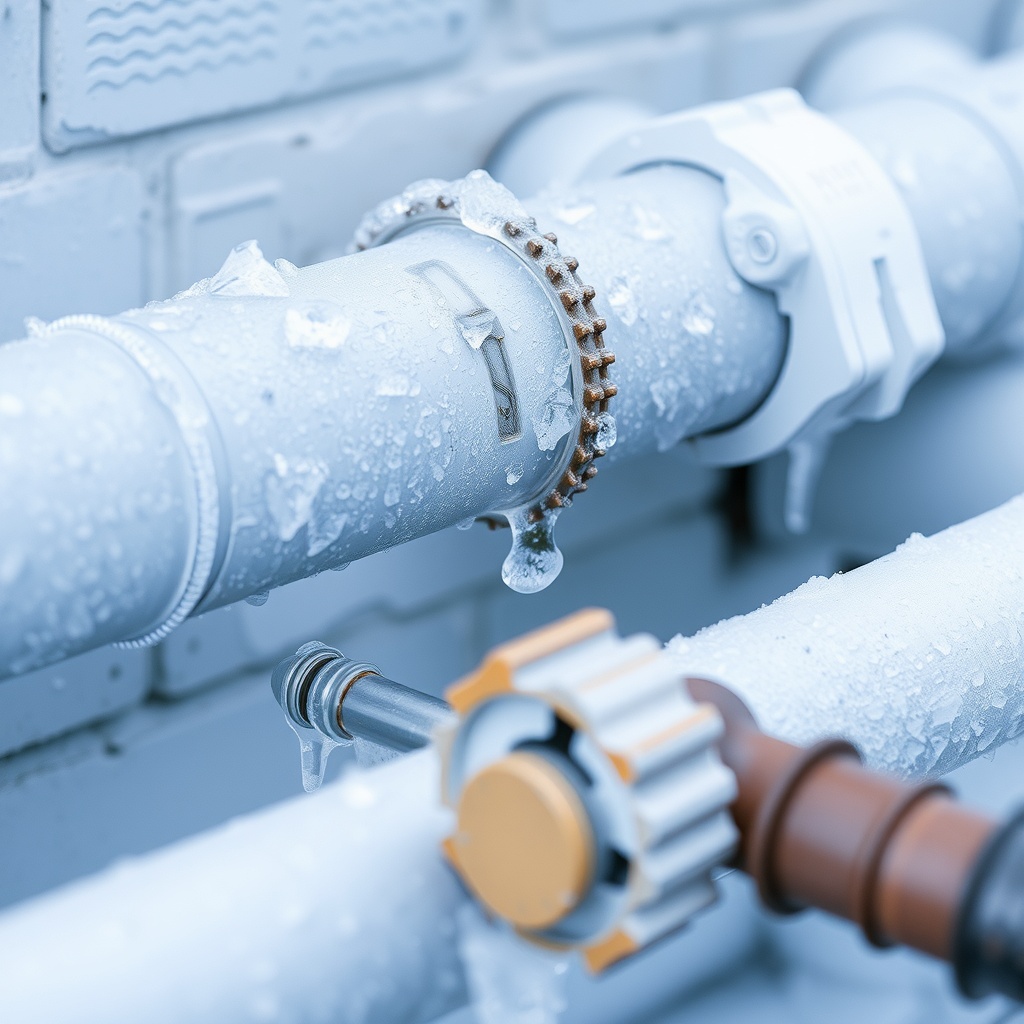
When you’re hit with freezing temperatures, the water inside your pipes can’t flow freely, causing the pipes to freeze. This frozen water expands, putting pressure on the pipes.
As a result, you’ll experience pipe damage, which can be costly to repair. You might notice a decrease in water pressure or a complete loss of water supply.
It’s important to understand what’s happening inside your pipes when they freeze. The expansion of frozen water can cause pipes to crack or burst, leading to significant damage.
Frozen water expansion can cause pipes to crack or burst, leading to significant damage.
Pipe damage from frozen pipes can be devastating, so it’s vital to take preventive measures to avoid frozen water from forming in the first place.
By understanding the effects of freezing temperatures on your pipes, you can take steps to protect them and prevent costly repairs.
Pipe damage can be avoided with proper precautions.
Why You Shouldn’t Try To Thaw Frozen Pipes Yourself
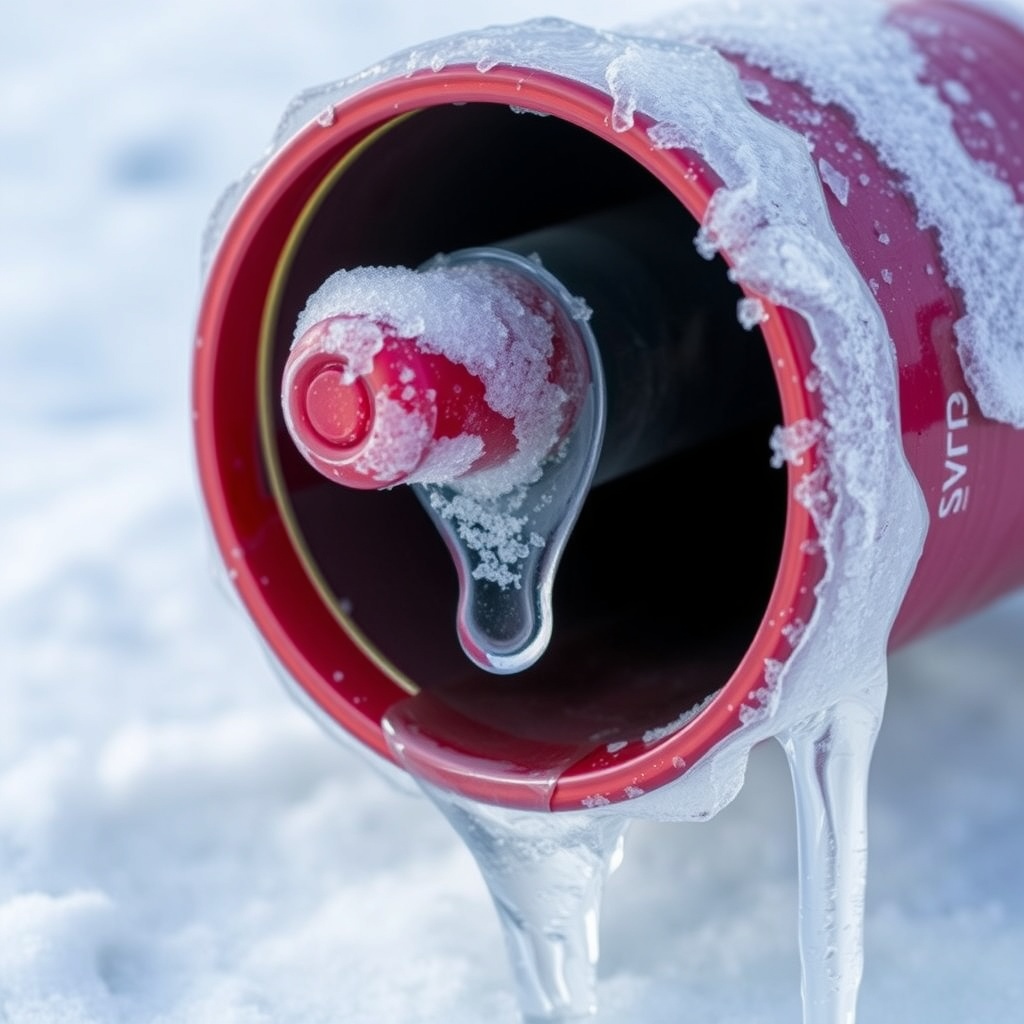
Because you’re likely to experience significant damage from frozen pipes, it’s crucial that you don’t try to thaw them yourself.
DIY thawing dangers are real, and you can end up causing more harm than good. You’ll want to avoid making the situation worse, so it’s best to seek professional help.
Here are some risks you’ll face:
- Burst pipes
- Water damage
- Electrical hazards
You shouldn’t attempt to thaw frozen pipes yourself, as it can lead to these dangers. Instead, you should call a professional to handle the situation.
They’ll have the necessary tools and expertise to safely thaw your pipes and prevent further damage. By seeking professional help, you’ll minimize DIY thawing dangers and guarantee the job is done correctly.
Signs That Your Pipe Is Frozen
As you inspect your plumbing system, you’ll notice distinct signs that indicate a pipe is frozen. You’re looking for frozen pipe indicators, such as visible ice or frost on the pipe. Pipe temperature monitoring can also help you identify issues.
| Indicator | Description |
| No water | No water comes out |
| Frost | Visible frost on pipes |
| Bulge | Pipe is bulging |
| Leak | Water is leaking |
| Crack | Pipe is cracked |
You’ll use this information to take action.
How To Identify Vulnerable Pipes In Your Home
Most homes have several vulnerable pipes that are prone to freezing, and you’ll likely find them in unheated areas like the garage, basement, or crawlspace.
Vulnerable pipes often reside in unheated areas like garages, basements, or crawlspaces.
You can identify these pipes by looking for exposed ones that aren’t protected with pipe insulation. Temperature fluctuations can cause them to freeze, so it’s crucial to take preventative measures.
Consider the following:
- Pipes near exterior walls
- Pipes in unheated areas
- Pipes with poor or damaged insulation
You should check these areas to verify your pipes are properly insulated, reducing the risk of freezing.
Steps To Take When You Discover A Frozen Pipe
You’ve identified a frozen pipe, now you must act quickly to minimize damage.
You’re going to turn off the water supply to prevent further pressure buildup, and you should do this as soon as possible.
Next, you’ll call a plumber and take immediate action to thaw the pipe, or you’ll risk it bursting and causing significant water damage.
Turn Off Water
One of the first steps to take when discovering a frozen pipe is to turn off the main water shut-off valve – it’s crucial to do this quickly to prevent further damage.
You’re protecting your home from more water damage.
To turn off the water,
- locate the water shutoff
- turn the valve clockwise
- verify it’s closed.
Keep your emergency contact handy in case you need assistance with the water shutoff.
Call Plumber
Because you’ve already turned off the main water shut-off valve, it’s time to bring in a professional – call a plumber who can help you thaw and repair the pipe.
You’re dealing with an emergency, so don’t hesitate to seek emergency plumbing services. A plumber will assess the situation and provide necessary repairs.
They’ll help you fix the issue quickly, minimizing damage. When choosing a plumber, look for one that offers reliable plumbing services.
They’ll guide you through the process, ensuring your pipe is fixed and functional again. This will help prevent further damage and get your water running smoothly.
Take Action
Act quickly when discovering a frozen pipe, as prompt action can minimize damage and prevent further issues.
You’re taking the first step in emergency preparedness. For immediate response, consider:
- Turning off the main water valve
- Opening faucets to drain water
- Calling a plumber for assistance.
By taking these steps, you’ll be well-prepared to handle the situation and reduce potential damage.
Your immediate response will help mitigate the issue, ensuring a swift return to normalcy.
Preventing Frozen Pipes Before They Happen
As winter sets in, you’ll want to take proactive steps to prevent your pipes from freezing, and one key strategy is to insulate exposed pipes in unheated areas like the garage, basement, or crawl space. You’re also sealing gaps to keep cold air out.
| Method | Description |
| Insulating pipes | Wrap pipes with foam tubes |
| Sealing gaps | Caulk cracks in walls |
| Checking faucets | Run cold water to test pipes |
What To Do If You Can’t Locate The Frozen Pipe?
If you can’t locate the frozen pipe, you’ll need to check for signs like water damage or strange noises to narrow down the possibilities.
You’re looking for clues that’ll help you pinpoint the source of the problem, and that’s where you’ll start.
If you’re still unsure, you’ll probably need to call a plumber who can use specialized equipment to find and fix the issue.
Check Signs
How do you determine there’s a frozen pipe when you can’t see it? You’ll need to check for signs of freezing.
Look for:
- lack of running water
- unusual sounds
- frost on pipes.
Check your pipe insulation for damage. If you suspect a frozen pipe, grab your emergency kit and prepare to act.
You should be able to identify the issue quickly to prevent further damage.
Call Plumber
You’ve checked for signs of a frozen pipe and suspect one’s frozen, but you can’t locate it – now you’re facing a tougher challenge.
If you can’t find the frozen pipe, it’s time to call a plumber. They offer plumber services, including emergency repairs, to help you fix the issue.
Don’t hesitate to reach out, as a frozen pipe can cause significant damage. A professional will locate the frozen pipe and perform the necessary repairs to get your water flowing again.
Their expert help will save you time and prevent further damage, ensuring your home’s plumbing system is safe and functional.
Hiring A Professional To Fix Your Frozen Pipe Emergency
When a frozen pipe emergency strikes, it’s essential that you act quickly to minimize damage, and hiring a professional plumber is often the best course of action.
You’ll get expert emergency response and plumbing expertise to fix the issue.
- Fast and reliable service
- Proper assessment of the damage
- Effective repair and prevention solutions
You’re ensuring the job is done right, and you won’t have to worry about further damage.
By hiring a pro, you’re taking control of the situation and getting back to normal quickly.
It’s a smart decision that’ll save you time, money, and stress in the long run.
Frequently Asked Questions
Can I Use a Hair Dryer to Thaw Pipes?
You can use a hair dryer for thawing, but prioritize hair dryer safety, keeping it away from water, and apply gentle thawing techniques to avoid pipe damage or electrical shock.
Is Pipe Insurance Worth the Cost?
You weigh pipe insurance worth by considering maintenance costs, it’s worth it if benefits, like coverage for damage, outweigh premiums, reducing financial stress during frozen pipe emergencies.
Can I Claim Frozen Pipes on Insurance?
You can claim frozen pipes on insurance, but you’re more likely to get approved if you’ve taken frozen pipe prevention measures and hired emergency plumbing services to limit the damage quickly.
How Long Does Thawing Take?
Y
Can Frozen Pipes Burst Underwater?
You can’t see it, but frozen pipes can burst underwater, so prioritize frozen pipe prevention and know emergency plumbing steps to minimize damage when it happens to you unexpectedly underwater.
Final Thoughts
Frozen pipe emergencies can escalate quickly, so the most important thing is to act immediately to reduce pressure in the line and limit potential water damage. Shutting off the main valve, opening faucets, and getting expert help when you can’t safely locate or thaw the pipe are the steps that protect your home and your plumbing system. The goal is not just restoring water flow, but preventing a small freeze from turning into a burst pipe and major cleanup.
If you’re dealing with a frozen pipe or suspect one is about to burst, DNA Honest Plumbing can help you respond fast and repair the problem the right way. For urgent situations, rely on our 24/7 emergency plumbing services and our fast emergency plumbing solutions in Metro Detroit to minimize damage and downtime. If a freeze has already caused a leak or break, our team can guide you through the next steps with professional pipe repair or, when needed, full pipe replacement.
To get immediate support or schedule an inspection for vulnerable lines before the next cold snap, reach out through our Contact page or explore all available services to find the best solution for your home.