Skip to content
You can keep your drains clean by checking for hair and grease regularly, using natural cleaners like baking soda and vinegar, and installing drain screens. These habits will help prevent clogs and costly repairs. You’ll also want to inspect your drains often, as slow drainage and unusual odors can signal issues. By taking these steps, you’ll be on your way to cleaner drains, and exploring further will reveal even more ways to keep your plumbing running smoothly.
Key Takeaways
- Use drain screens to catch hair and debris.
- Run hot water after each use to clear pipes.
- Avoid pouring grease and food down drains.
- Use baking soda and vinegar for natural cleaning.
- Inspect drains regularly for early issue detection.
What Are Clogged Drains?
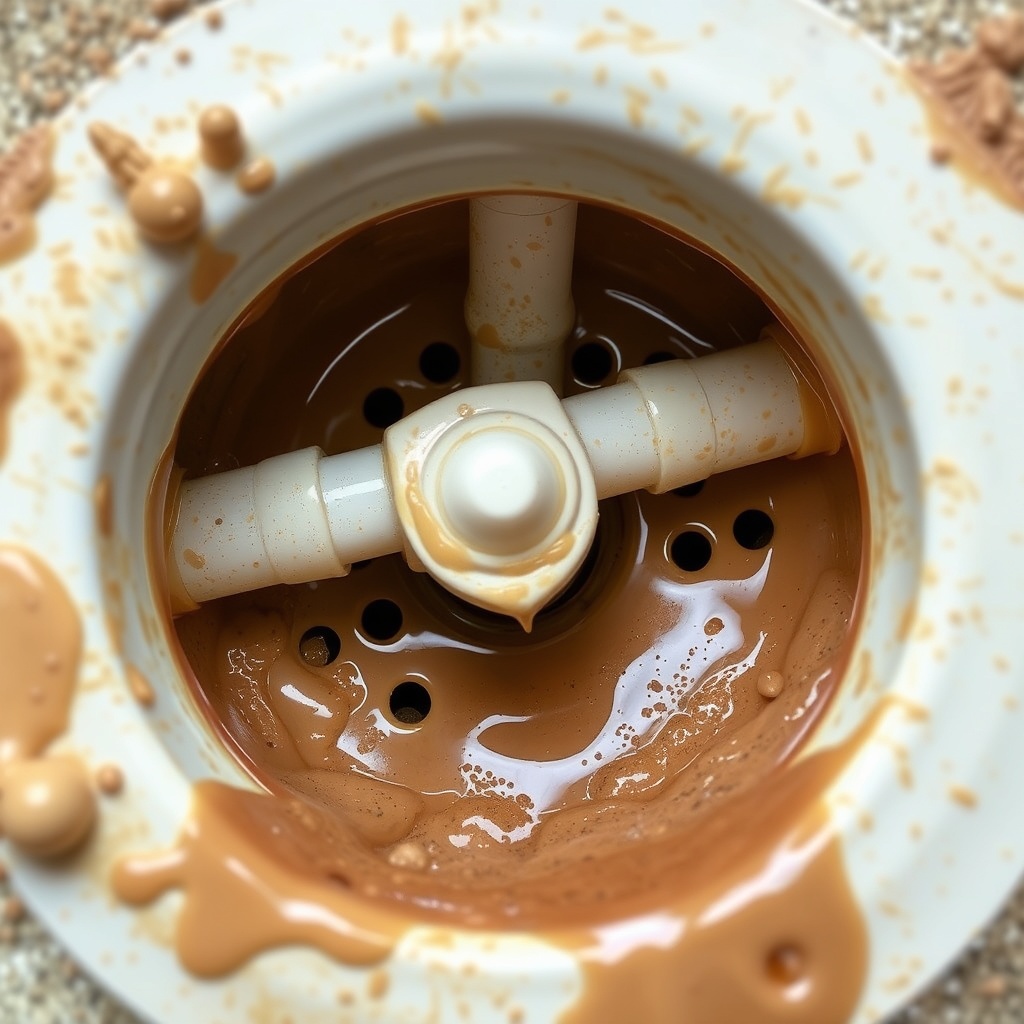
How often do you think about your drains until they’re clogged? You probably don’t give them much thought until you’re dealing with a backup or unpleasant odor.
Clogged drains are a common issue that can lead to serious problems, including property damage. When your drains are clogged, wastewater can’t flow properly, causing it to back up into your home. This can lead to unpleasant odor sources, such as sewer smells and mold growth.
If left unchecked, clogged drains can cause significant damage to your property, including water damage and foundational issues. You’ll want to address the issue quickly to prevent further problems. It’s crucial to take care of your drains to avoid these issues and keep your home safe and healthy. Regular maintenance can help prevent clogs and keep your drains flowing freely.
How Do Drains Get Clogged?
Clogging your drains is often a result of sending the wrong things down them. You may not realize it, but everyday items can cause significant problems. Some common culprits include:
- Hair and soap buildup
- Grease and food particles
- Root intrusion and mineral scaling
You’re likely contributing to the problem without even realizing it.
Unaware of the harm, daily habits can silently sabotage your plumbing system over time.
As you use your drains, you’re creating an environment where clogs can thrive.
Root intrusion can occur when trees or plants grow into your pipes, while mineral scaling happens when minerals in the water build up inside the pipes.
By understanding what causes clogs, you can take steps to prevent them and keep your drains flowing freely.
You’ll be able to identify potential issues before they become major problems, saving you time and money in the long run.
Why Regular Drain Maintenance Matters
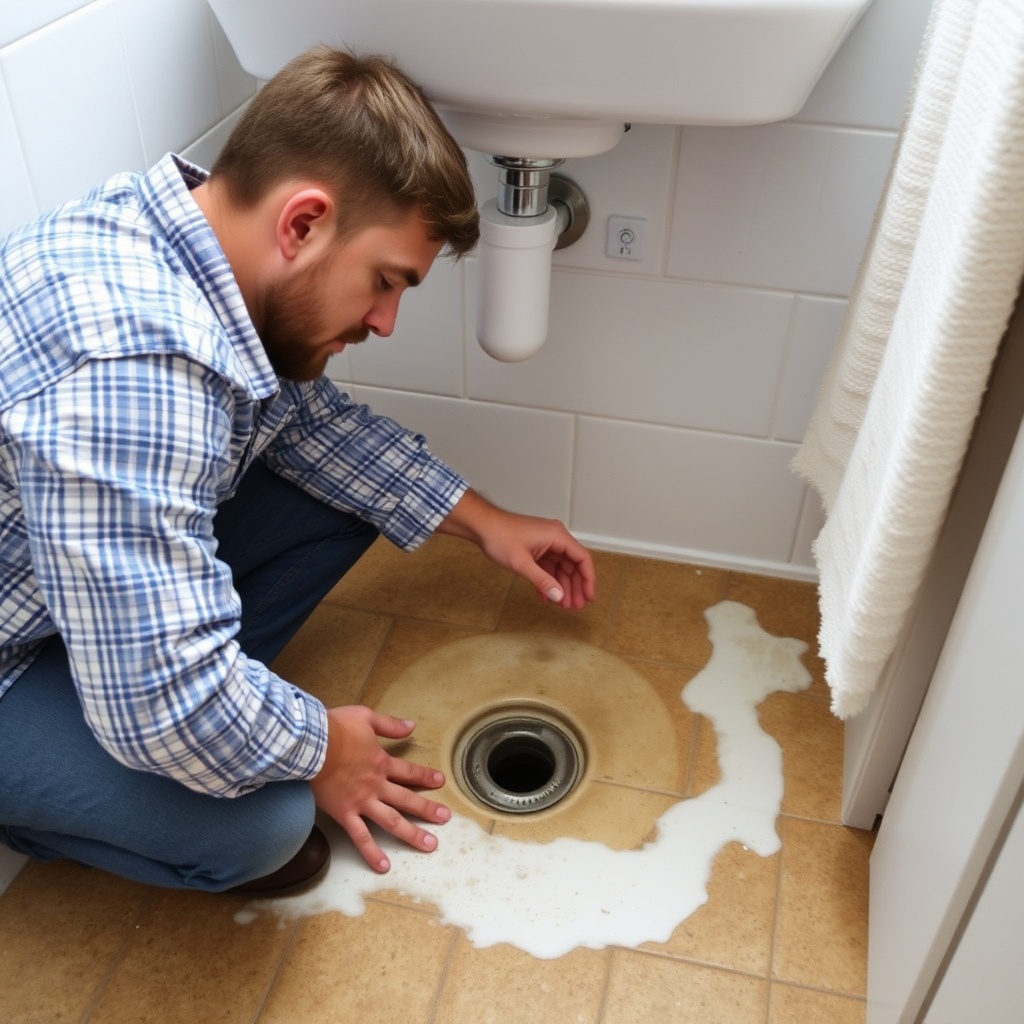
You’re taking a vital step by considering regular drain maintenance, which can prevent clogs from forming in the first place. By doing so, you’ll save money on costly repairs and emergency plumbing services.
You’ll also avoid the hassle and expense of dealing with backups and overflows, which can be a major headache if they’re not caught early.
Prevent Clogs
Regularly, it’s important to maintain your drains to prevent clogs from forming.
You don’t want to deal with the hassle and cost of clearing a clogged drain, which may not be covered by your insurance coverage.
Attend community workshops to learn more.
- Check your drains regularly
- Use a drain screen
- Run hot water through your drains
Save Money
How much can you save by maintaining your drains? You’ll reduce the need for costly repairs and replacements.
By keeping your drains clean, you’ll also achieve energy savings, as clogs won’t force your appliances to work harder.
This, in turn, helps with budget tracking, as you’ll avoid unexpected expenses. You can allocate the saved money to other important areas.
Regular drain maintenance is key to saving you money in the long run. It’s a simple yet effective way to manage your expenses and prevent financial strain. You’ll be glad you took the initiative to maintain your drains.
What Are The Most Common Drain Blocking Items?
What causes drains to clog so frequently?
You’re likely unaware of the common items that block your drains.
- Hair accumulation in the drains can cause significant blockage
- Grease residue from food can solidify and clog pipes
- Soap scum can also accumulate and block water flow. You can prevent these issues by being mindful of what you put down your drains.
Grease residue and hair accumulation are particularly problematic, as they can build up over time and cause serious clogs.
Grease and hair buildup can cause serious clogs over time, leading to major plumbing issues.
By taking steps to minimize these substances, you can keep your drains flowing freely and avoid costly repairs.
Regular maintenance can go a long way in preventing drain blockages and ensuring your plumbing system runs smoothly.
How To Check Your Drains For Issues?
You’ve taken the first step by identifying the common items that can block your drains, such as hair and grease residue.
Now, it’s time to check your drains for issues. You’re looking for signs of slow drainage, unusual odors, or gurgling sounds. Check your sinks, toilets, and showers regularly.
Keep a record of when you notice issues and what you’ve done to fix them – this is key to good record keeping. Having a log will help you identify patterns and prevent future problems.
Make sure you also have emergency contacts, like a plumber’s number, handy in case you need urgent assistance.
What Tools Do You Need To Clean Your Drains?
You’ll need some basic tools to clean your drains effectively, and it’s important to know what they are.
You’re going to need drain tools, such as plungers and augers, to remove blockages and clear your pipes.
You should also consider investing in a pipe snake, which you can use to break up and retrieve stubborn clogs that are deeper in your pipes.
Drain Tools
Several tools can make cleaning your drains much easier.
You’ll need tools made from durable Tool Materials that can withstand tough clogs.
Consider investing in:
- Plungers
- Drain augers
- Baskets to store small items, which are part of your Storage Solutions. These tools help you clean your drains efficiently.
You’re ensuring your drains remain clog-free by using the right tools and storing them properly, making maintenance easier for you.
Pipe Snakes
How do pipe snakes fit into your drain-cleaning arsenal?
You’ll use them to remove clogs and blockages.
Pipe snakes, also known as augers, have a long Patent History dating back to the 19th century.
Their Manufacturing Process involves creating a long, flexible rod with a spiral end.
You insert the snake into the drain, rotating it as you push it further in.
This helps break up or retrieve the clog.
By using a pipe snake, you can effectively clear your drains without calling a plumber.
It’s a simple, yet effective tool that’s essential for any homeowner.
You’ll find it useful for various drain-cleaning tasks.
How To Use Baking Soda And Vinegar For Drain Cleaning?
What makes baking soda and vinegar such a powerful duo for drain cleaning?
You’re using a natural combination that leverages Reaction Mechanics to break down blockages.
When you pour baking soda down the drain, it reacts with vinegar to produce a chemical reaction that helps dissolve grease and debris.
Baking soda and vinegar react to dissolve grease and debris in drains.
This process also aids in Odor Control by neutralizing smells.
Some key benefits of this method include:
- Effective removal of grease and grime
- Natural and eco-friendly ingredients
- Cost-effective alternative to chemical cleaners
You can use this method regularly to keep your drains clean and flowing freely, without worrying about harsh chemicals.
Are Chemical Drain Cleaners Safe To Use?
Because you’re looking for effective ways to clean your drains, you’ll likely come across chemical drain cleaners as an option. You might wonder if they’re safe to use.
Chemical drain cleaners have a strong chemical composition that can effectively dissolve blockages, but they can also harm you and the environment. The environmental impact of these cleaners is a concern, as they can contaminate water and soil.
When using chemical drain cleaners, you’re exposing yourself to toxic fumes and potential skin irritation. You must take precautions, such as wearing gloves and working in a well-ventilated area.
It’s important to weigh the benefits against the risks and consider alternative, safer methods to keep your drains clean. You should always follow the instructions carefully to minimize the risks associated with chemical drain cleaners.
Can You Prevent Clogs With Regular Drain Screens?
Chemical drain cleaners aren’t the only solution to clogged drains – you can take proactive steps to prevent clogs from forming in the first place.
You’re considering installing drain screens to prevent hair and other debris from entering your pipes.
This is a great idea, as it can enhance installation aesthetics and promote material sustainability.
Some benefits of drain screens include:
- Reducing the risk of clogs and backups
- Protecting your pipes from damage
- Making cleaning easier and more efficient
How Often Should You Inspect And Clean Your Drains?
How frequently you inspect and clean your drains can substantially impact their overall performance. You should consider your usage patterns to determine the best cleaning schedule.
| Drain Type | Inspection Frequency | Cleaning Frequency |
| Kitchen | Monthly | Quarterly |
| Bathroom | Weekly | Monthly |
| Outdoor | Seasonally | As needed |
You’ll want to establish a seasonal schedule to make sure your drains remain clean. By doing so, you’ll prevent clogs and maintain free-flowing drains. Adjust your schedule according to your usage patterns to keep your drains in good condition.
Frequently Asked Questions
Can I Use Bleach to Clean Drains?
You can’t use bleach to clean drains regularly, as it won’t improve bleach effectiveness and may cause pipe corrosion, it’s better you use baking soda and vinegar for safer cleaning methods.
Are Drain Cleaners Safe for Septic Systems?
You check enzyme treatments for chemical compatibility to verify they’re safe for your septic system, as harsh chemicals can harm it, so you choose gentle cleaners instead.
How Much Baking Soda to Use?
You use 1/2 cup baking soda, following dosage guidelines, and mix with vinegar using standard mixing ratios to effectively clean your drains without causing harm to your pipes or septic system.
Can I Clean Drains With a Plunger?
You can clean drains with a plunger using proper Plunger Technique and choosing the right Plunger Types, ensuring a tight seal for effective clog removal, don’t you?
Are Monthly Drain Cleanings Necessary?
You don’t need monthly cleanings, but you should check usage frequency, and consider professional inspections yearly to prevent clogs and make sure your drains function properly, reducing the need for frequent cleanings.
Final Thoughts
Keeping your drains clean doesn’t have to be complicated. Small habits—like using drain screens, running hot water after heavy use, avoiding grease and food scraps, and cleaning periodically with baking soda and vinegar—can prevent most everyday clogs. The key is catching issues early: slow drainage, recurring odors, or gurgling sounds are signs that buildup is forming and needs attention before it turns into a backup.
If DIY steps aren’t enough or the same drain keeps acting up, DNA Honest Plumbing can help with professional drain cleaning to clear buildup completely. For recurring or hard-to-diagnose problems, a camera line inspection can pinpoint what’s happening inside the pipe. If buildup is heavy, hydro jetting provides a deeper clean than basic methods. And if you’re dealing with an active backup or overflow risk, contact 24/7 emergency plumbing services right away. Schedule service through the Contact Us page or explore more options on the Services page.