Skip to content
You’ll find that knowing the causes of clogged drains helps you tackle them effectively. You can try simple DIY methods like using a plunger or baking soda and vinegar. You can also use chemical drain cleaners or mechanical tools like drain snakes. As you explore these methods, you’ll discover more techniques to clear blockages. You’ll learn how to prevent future clogs and maintain your drains, so you can keep your pipes flowing smoothly from now on.
Key Takeaways
- Use baking soda and vinegar for a natural cleaning mixture.
- Plungers work by creating suction to loosen clogs.
- Drain snakes break up tough blockages in pipes.
- Chemical cleaners dissolve debris, but use with caution.
- Regular maintenance prevents messy backups and repairs.
Understanding The Causes Of Clogged Drains
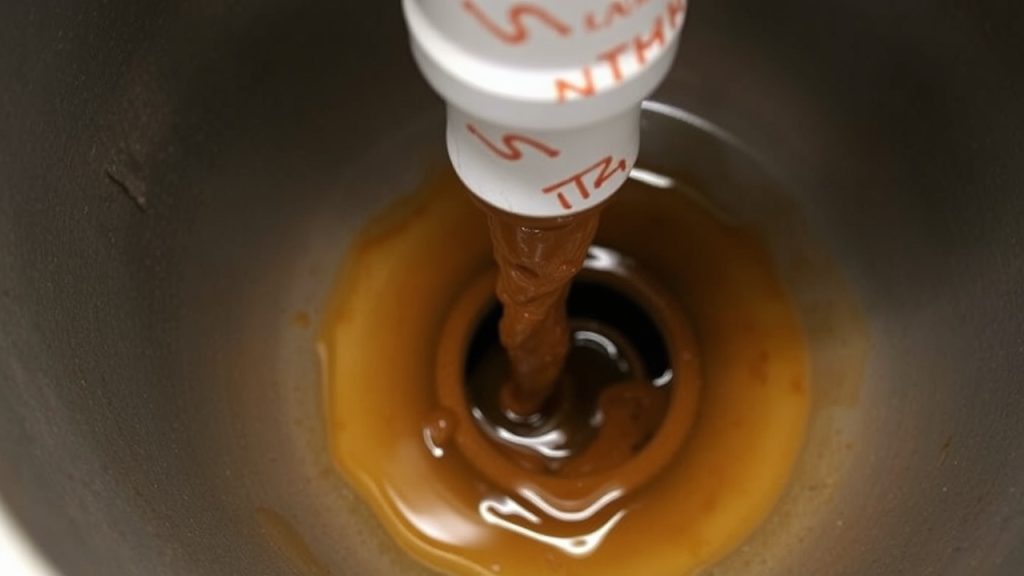
What leads to clogged drains in your home?
You’ll often find that it’s a combination of factors.
Hair, soap, and grease can accumulate in your pipes, causing blockages.
However, there are more severe issues, like root intrusion, where tree roots grow into your pipes, obstructing water flow.
You’re also likely to encounter pipe corrosion, which weakens your pipes, making them more prone to clogs.
When you don’t address these issues, they can lead to costly repairs.
You should be aware of these potential problems to prevent clogs from forming.
By understanding the causes, you can take steps to maintain your plumbing system and avoid future issues.
Regular maintenance is key to keeping your drains flowing freely.
You can’t prevent every clog, but you can reduce the risk by being mindful of what you put down your drains.
Simple Diy Methods For Clearing Blockages
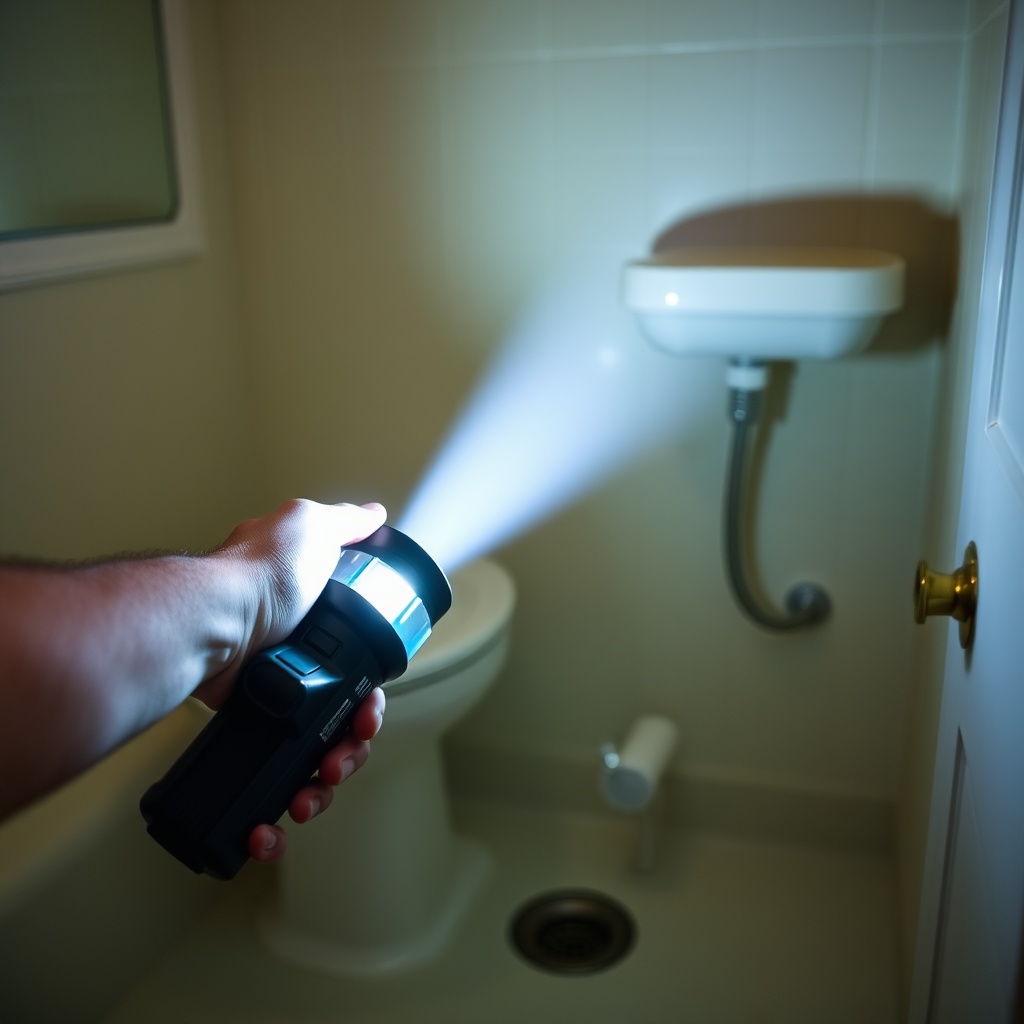
As you tackle clogged drains, you’ll find that simple DIY methods can be incredibly effective in clearing blockages.
You can start by using a flashlight inspection to locate the clog. This will help you determine the best approach to take.
If the clog is near the surface, you can try the glove method, where you use a rubber glove to feel for and remove the blockage. This method is especially useful for hair and soap buildup.
By using these simple methods, you can avoid calling a plumber and save money. You’ll be able to clear the blockage quickly and easily, getting your drain flowing again in no time. Remember to be gentle when using the glove method to avoid scratching the pipes.
With these DIY methods, you’ll be able to tackle clogged drains with confidence.
Using Chemical Drain Cleaners Effectively
Since you’ve exhausted the simple DIY methods, it’s time to bring in the chemicals. You’ll need to take safety precautions when using chemical drain cleaners, such as wearing gloves and working in a well-ventilated area. It’s also essential to take into account the environmental impact of these chemicals, as they can harm aquatic life and contaminate soil.
When using chemical drain cleaners, take safety precautions and consider environmental impact.
When choosing a chemical drain cleaner, opt for one that’s labeled as environmentally friendly. Always follow the instructions on the label, and avoid mixing different chemicals. Be cautious not to overuse these products, as they can damage your pipes.
By taking the necessary precautions and using chemical drain cleaners responsibly, you can effectively clear blockages without harming the environment.
Remember to dispose of the chemicals and packaging properly to minimize their environmental impact.
How To Use A Plunger For Tough Clogs
You’re moving on to a more manual approach with a plunger, which can be surprisingly effective for tough clogs.
To use it, focus on Seal Optimization by ensuring the plunger’s edge is securely positioned over the drain.
- Create a Stroke Rhythm by pushing down slowly and pulling up quickly.
- Maintain consistent force to build pressure.
- Repeat the motion several times to loosen the clog.
By following these steps, you’ll be able to tackle tough clogs with ease.
Remember to keep your Stroke Rhythm steady and adjust as needed for ideal results.
With practice, you’ll master the technique and be able to clear clogs efficiently, making Seal Optimization and Stroke Rhythm second nature.
Baking Soda And Vinegar: A Natural Cleaning Solution
You’re looking for a natural remedy to clear your clogged drains, and you’ll find it in a simple mix of baking soda and vinegar.
When you combine these two ingredients, you create an easy mix that’s gentle on pipes but tough on blockages.
You’ll appreciate the fast action of this solution, as it quickly breaks down and clears away debris, getting your drains flowing freely again.
Natural Remedy
What makes baking soda and vinegar so effective at cleaning drains?
You’re using a natural remedy that’s similar to herbal infusions.
When combined, they create a reaction that breaks down blockages.
You can enhance this method by adding essential oils.
Here are some benefits:
- Environmentally friendly
- Cost-effective
- Gentle on pipes
You’re taking a proactive approach to cleaning your drains with a natural solution that’s easy to use and effective.
Easy Mix
Mixing baking soda and vinegar creates a potent solution for cleaning drains. You pour baking soda down the drain, followed by vinegar, to break down tough clogs. This natural method is like a strong paint primer, preparing the surface for a deeper clean.
Unlike smoothie blends that can be messy, this mixture is contained and effective. You’ll notice the mixture fizzing and bubbling, indicating it’s working.
As you rinse the drain, you’ll find it flows smoothly, free from debris. This easy mix is a simple, non-toxic way to keep your drains clear, saving you time and money on harsh chemicals.
Fast Action
Because clogs can strike at any moment, it’s vital to have a fast and reliable solution on hand, which is where baking soda and vinegar come in – they quickly dissolve blockages, allowing water to flow freely again.
You’ll need to act fast, using an emergency response to tackle the clog.
For a rapid assessment, consider these steps:
- Pour baking soda down the drain
- Add vinegar to create a reaction
- Let it sit before rinsing with hot water. This natural solution helps you take action quickly and effectively, making it a great option for emergency situations.
Advanced Techniques With Drain Snakes And Augers
You’ll tackle tough clogs with ease by mastering advanced techniques with drain snakes and augers.
When you’re dealing with a stubborn blockage, a Camera Inspection can help you identify the source of the problem.
Camera inspections reveal the source of stubborn blockages for effective clearing solutions.
This allows you to use the right tool for the job, such as a Motorized Auger, to break up tough clogs.
You’ll be able to navigate tight turns and corners with ease, making it easier to reach and clear the clog.
By combining these tools and techniques, you’ll be able to clear even the toughest blockages quickly and efficiently.
With practice, you’ll become proficient in using drain snakes and augers, making you more confident in your ability to tackle any clog that comes your way.
This expertise will save you time and reduce the risk of damaging your pipes.
Preventing Future Clogs With Regular Maintenance
Regularly maintaining your drains can substantially reduce the likelihood of future clogs.
You’ll save time and money by preventing messy backups.
To keep your drains flowing, you should perform routine inspections and consider water softening to reduce mineral buildup.
- Check your drains monthly for signs of clogs
- Use a drain screen to catch hair and debris
- Run hot water through your drains after each use.
By following these steps, you’ll be able to prevent future clogs and keep your drains running smoothly.
This maintenance will help you avoid the hassle of dealing with clogged drains and keep your plumbing system in good condition.
You’ll appreciate the benefits of regular maintenance when you don’t have to deal with unexpected drain issues.
Frequently Asked Questions
Can I Use Bleach to Clean Drains?
You can’t use bleach to clean drains without risking Fume Hazards, as it creates Combination Dangers when mixed with other substances, so you’re safer using alternative, non-toxic cleaning methods instead always.
Are Drain Cleaners Safe for Toilets?
You shouldn’t use drain cleaners in toilets, they can cause porcelain damage and harm the wax ring, it’s better you use a plunger or a toilet auger to avoid these issues.
How Often Should I Clean My Drains?
You should clean your drains regularly, setting a maintenance schedule and performing seasonal inspection to prevent clogs, you’re taking proactive steps to keep them flowing freely, don’t you?
Can I Use a Drain Snake Myself?
You can use a drain snake yourself if you take safety precautions and use proper technique, but it’s essential you’re careful not to scratch pipes or push clogs further.
Are Chemical Cleaners Eco-Friendly?
You check chemical cleaners’ labels, opting for biodegradable formulations that minimize aquatic toxicity, ensuring they’re eco-friendly, but you’re cautious, knowing not all products are created equal, and some still harm ecosystems.
Final Thoughts
Knowing a few reliable drain cleaning methods can save you time, stress, and costly plumbing repairs. Simple approaches like plunging, using baking soda and vinegar, and routine maintenance can handle minor buildup and help prevent future clogs. But when blockages keep coming back, drains slow down repeatedly, or multiple fixtures are affected, it usually means there’s a deeper issue inside the line that DIY methods won’t fully solve.
That’s when it makes sense to call DNA Honest Plumbing for professional drain cleaning that clears buildup the right way. If the clog is persistent or you suspect root intrusion or pipe damage, a camera line inspection can pinpoint the cause fast. For heavy grease, sludge, or long-term buildup, hydro jetting delivers a deeper clean than snaking alone. If you’re dealing with an active backup or overflow risk, reach out for 24/7 emergency plumbing services right away. Book your service through Contact Us or explore more options on the Services page.