Skip to content
You can prevent winter clogged drains by insulating exposed pipes, running hot water through drains, and using natural cleaners. You’ll also want to clear leaves and debris, use a drain screen, and avoid pouring grease down the drain. By following these tips, you’ll be well on your way to a clog-free winter – and there are even more ways to protect your plumbing system, just ahead.
Key Takeaways
- Insulate exposed pipes to prevent freezing and bursting.
- Regularly clean drain grates and gutters to prevent clogs.
- Use oil traps to prevent grease buildup in pipes.
- Run hot water through drains to dissolve grease and reduce scale.
- Dispose of grease in sealed containers to prevent pipe clogs.
Preventing Winter Drain Clogs Starts With Maintenance
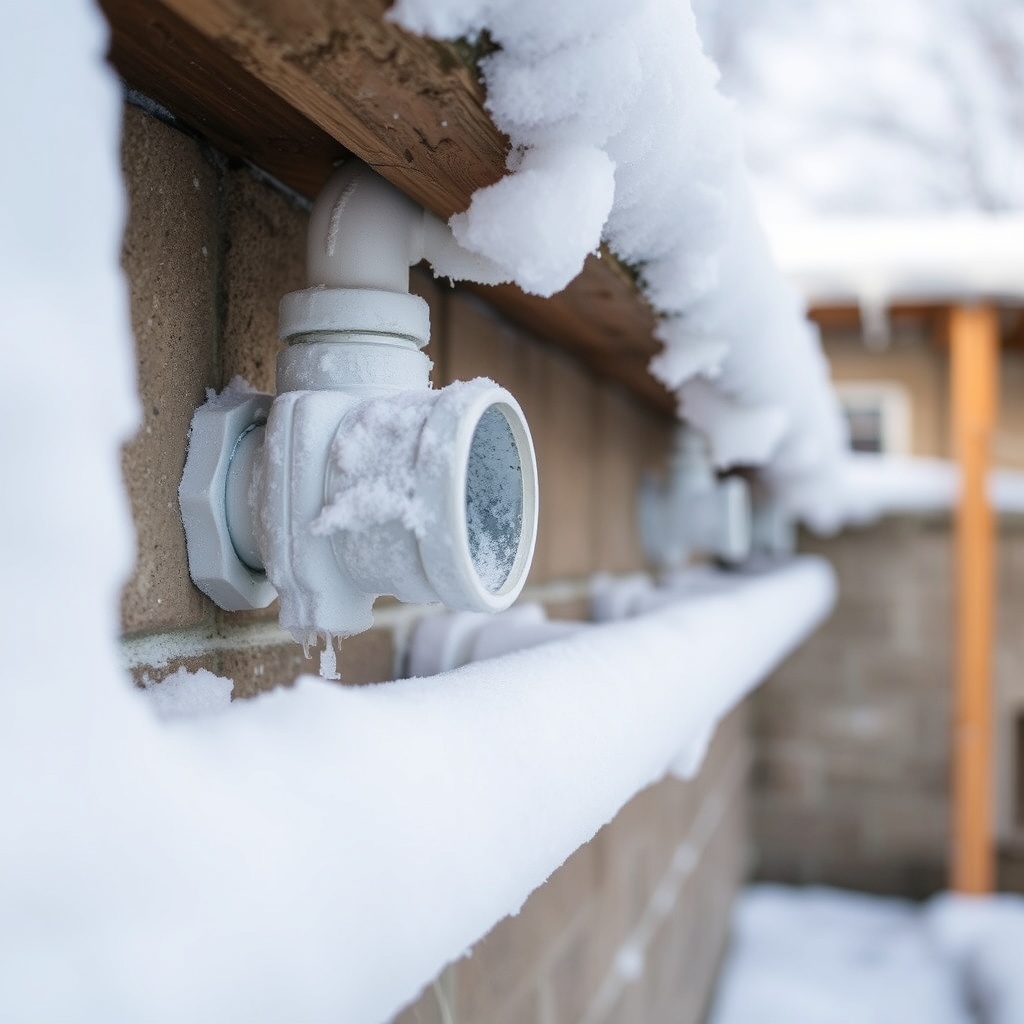
As you prepare your home for winter, it’s essential that you don’t overlook your drains, because neglecting them can lead to costly clogs and backups. You should add drain maintenance to your seasonal checklists to make sure they’re functioning properly.
Consider scheduling professional servicing to inspect and clean your drains before winter sets in. This proactive approach will help prevent clogs and backups.
By taking care of your drains, you’ll avoid the hassle and expense of emergency repairs. Regular maintenance will also help identify potential issues before they become major problems.
You’ll be able to enjoy the winter season without worrying about drain-related issues, knowing you’ve taken the necessary steps to prevent them. This will give you peace of mind and help you stay safe and warm during the cold winter months.
Regular checks will keep your drains flowing freely.
Insulate Exposed Pipes To Avoid Freezing
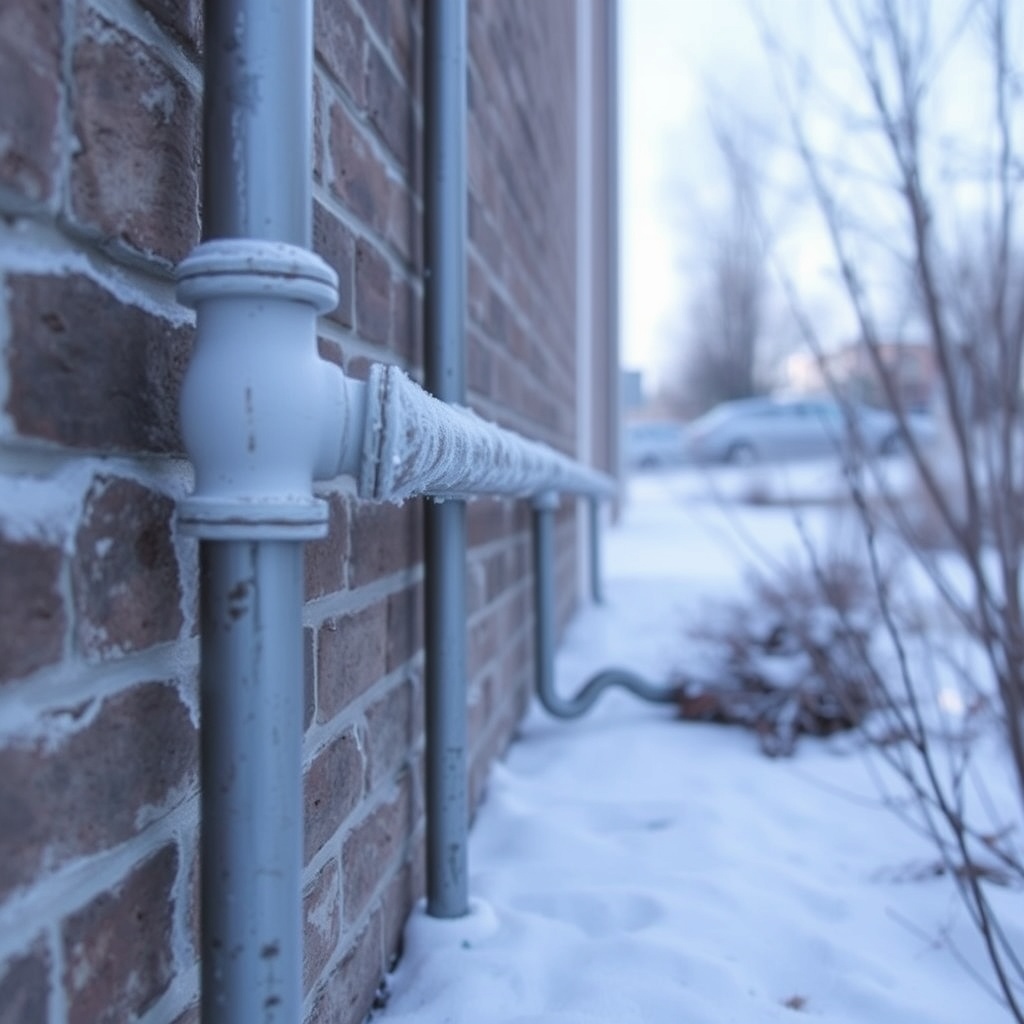
You’ve taken steps to maintain your drains, now it’s time to protect your pipes from freezing temperatures.
Insulating exposed pipes is essential to prevent them from freezing and bursting.
Insulating exposed pipes prevents freezing and bursting, reducing risk of costly damage and repairs
You can use foam sleeves or heat tape to keep your pipes warm.
- Wrap foam sleeves around outdoor pipes
- Apply heat tape to pipes in unheated areas
- Seal any gaps or cracks in walls and floors
- Let cold water drip from faucets served by exposed pipes.
By taking these steps, you’ll reduce the risk of pipes freezing and bursting, which can lead to clogged drains and costly repairs.
Using foam sleeves and heat tape is an easy and effective way to insulate your pipes and prevent freezing.
Clear Leaves And Debris From Drains Regularly
You’ll want to clean drain grates regularly to make sure they’re functioning properly.
Next, you’re going to remove fallen leaves that can accumulate and clog your drains, causing problems down the line.
Clean Drain Grates
How often do you check your drain grates, especially during the fall season when leaves and debris tend to accumulate?
You should inspect them regularly to make sure material comparison doesn’t lead to clogs.
For safety compliance, clean drain grates by:
- Removing large debris
- Checking for blockages
- Cleaning the grate surface
- Confirming proper water flow.
By doing so, you’ll prevent clogs and maintain your drain’s efficiency, avoiding costly repairs and protecting your safety.
Regular cleaning helps prevent winter clogged drains, keeping you safe and compliant with safety standards.
Remove Fallen Leaves
Cleaning your drains regularly, especially during fall, is essential for preventing clogs. You’ll want to remove fallen leaves and debris from drains to keep them flowing freely. Consider using the collected leaves for leaf composting, which can enrich your soil.
By clearing your drains, you’re also preserving a potential wildlife habitat, as leaves and debris can attract animals. Regularly clean your drains to prevent Damage and keep your yard ecosystem balanced.
This simple task will help prevent clogs and keep your drains functioning properly throughout the winter months, saving you time and trouble in the long run, quickly.
Check Drain Guards
Regularly, homeowners neglect their drain guards, which can lead to clogs and costly repairs.
You should check them to prevent issues.
When you do, look for:
- Corrosion Inspection signs
- Damaged drain guards
- Compromised Seal Integrity
- Debris accumulation. By checking these, you can confirm your drain guards are working correctly, preventing clogs and reducing the need for repairs.
This helps you save time and money, and it’s a simple task to include in your maintenance routine, especially during winter when clogs are more common.
Use A Drain Screen To Catch Hair And Soap
By catching hair and soap scum before they go down the drain, you’re taking a big step towards preventing clogs.
You can achieve this by using a drain screen, which comes in various materials, allowing for a material comparison to find the best fit.
Some drain screens are made of metal, while others are plastic or silicone.
When choosing a drain screen, consider mesh variations, such as fine or coarse mesh, to determine what works best for your needs.
A fine mesh will catch more hair and soap scum, but may require more frequent cleaning.
You can install a drain screen over your drain to catch debris before it causes problems.
This simple step will help prevent clogs and keep your drains flowing freely, saving you time and hassle in the long run, and reducing the risk of winter clogged drains.
Run Hot Water Through Drains Monthly
As you take steps to prevent winter clogged drains, running hot water through your drains monthly can be a highly effective measure.
You’ll help maintain your plumbing system’s health and prevent issues.
Running hot water through your drains helps with:
- Odor control by breaking down debris
- Scale prevention by dissolving mineral deposits
- Grease dissolution to prevent clogs
- Pipe cleaning to reduce blockages.
By doing this, you’ll reduce the risk of clogs and keep your drains flowing freely.
It’s a simple task that can make a big difference in preventing winter clogged drains and keeping your home’s plumbing system in good condition.
You can run hot water through your drains once a month to keep them clear and functioning properly.
Check Your Gutters For Ice Dams And Clear Them
You’ll want to check your gutters for ice dams, which can cause water to back up and lead to clogged drains.
If you find any ice dams, you’ll need to remove them to make sure water can flow freely – it’s a vital step in preventing winter clogs.
Ice Dam Removal
Checking your gutters for ice dams is essential during winter.
Clearing them can prevent costly damage to your home.
You’ll need to use steam techniques and wear safety gear to remove ice dams.
Some key considerations include:
- Using steam to melt ice
- Wearing safety gear like gloves
- Avoiding sharp objects
- Working carefully to prevent falls
Clear Gutters
Clearing your gutters is essential for preventing ice dams, and doing it regularly helps guarantee water flows freely. You’re ensuring your Seamless Gutters work properly.
| Gutter Type | Features |
| Seamless Gutters | Less leakage |
| Gutter Brackets | Secure fit |
| Protected Gutters | Prevent ice dams |
You’ll prevent clogs by checking them regularly, it’s vital for maintaining your home’s integrity.
Keep Your Drains Flowing With Baking Soda And Vinegar
How often do clogged drains disrupt your daily routine, and what can you do to prevent them?
You can keep your drains flowing with baking soda and vinegar.
This method is effective due to its ideal reaction timing, allowing the mixture to break down blockages.
Considering surface compatibility, it’s safe for most drain types.
To try it,
- Pour baking soda down the drain
- Add vinegar to create a reaction
- Let it sit for a while
- Rinse with hot water.
By following these steps, you’ll be able to prevent clogs and keep your drains flowing.
This simple technique is a great way to maintain your pipes and avoid costly repairs.
It’s easy to do and requires minimal effort, making it a great addition to your winter drain maintenance routine.
Do Not Pour Grease And Oil Down The Drain
You’re probably aware that pouring grease and oil down the drain can cause problems, but you may not know it can lead to oil traps that clog your pipes.
As you cook, you’ll generate grease that can buildup inside your drains, causing serious issues.
You must take steps to make sure you’re disposing of grease and oil correctly to prevent grease buildup and keep your drains flowing freely.
Oil Traps
Because grease and oil can solidify and stick to pipe walls, they’re a major contributor to clogged drains during winter.
You should consider oil traps to prevent this.
When selecting an oil trap, follow Sizing Guidelines and Material Selection to confirm it’s suitable for your needs.
Some key considerations include:
- Proper installation
- Regular maintenance
- Compatible materials
- Adequate sizing
Grease Buildup
Pouring grease and oil down the drain is a surefire way to clog your pipes, especially during winter when these substances solidify faster.
You’re creating a sticky situation that’s hard to clean.
Grease buildup from industrial sources can be particularly problematic. To combat this, you can use enzyme treatments that break down the grease.
Don’t contribute to the problem by pouring grease down the drain. Instead, dispose of it properly to prevent clogs. This helps prevent costly repairs and keeps your pipes flowing freely.
Proper Disposal
When it comes to grease and oil disposal, it’s essential that you take a proactive approach to keep your pipes clear.
You should dispose of these substances properly, just like you handle Medication Disposal and Battery Recycling.
To prevent clogged drains, consider the following:
- Dispose of grease in sealed containers
- Use paper towels to wipe greasy plates
- Don’t pour oil down the drain
- Check local guidelines for hazardous waste disposal
- You’re helping to prevent winter clogged drains by taking these steps.
Consider Installing Freeze-Proof Faucets Outside
As you prepare your home for winter, installing freeze-proof faucetsoutside can be a wise decision, since they’re designed to withstand freezing temperatures.
You’ll find that freeze-proof faucets come with various design options, so you can choose one that suits your outdoor space. When considering installation, you’ll want to factor in the installation cost, which may be higher than traditional faucets.
However, the benefits of freeze-proof faucets, including preventing frozen and burst pipes, can outweigh the extra cost. By installing these faucets, you’re taking a proactive step to protect your home’s plumbing system from winter damage. You can browse different designs and prices to find the best fit for your needs and budget, ensuring your outdoor faucets remain functional throughout the winter months. This investment can save you from costly repairs down the line.
Regularly Inspect Your Home’s Plumbing System For Leaks
How often do you inspect your home’s plumbing system for leaks?
You should do it regularly to prevent winter clogged drains.
Inspecting your plumbing system helps you identify potential issues before they become major problems.
You can use techniques like pressure testing and moisture mapping to detect hidden leaks.
Some ways to inspect your plumbing system include:
- Checking for water damage and stains
- Looking for signs of mineral buildup
- Inspecting pipes and fittings for corrosion
- Using specialized equipment to detect leaks behind walls.
By inspecting your home’s plumbing system, you can catch leaks early and prevent clogs from forming, saving you time and money in the long run.
Regular inspections can help you stay on top of your plumbing system’s health.
Frequently Asked Questions
What Causes Winter Drain Clogs?
You’re likely experiencing clogs due to Frozen Pipes and Ice Blockages that you’re causing by letting water freeze, which creates solid barriers that you can’t drain through easily, it’s what clogs them.
Can I Use Chemicals to Clear Clogs?
You can’t use just any chemicals, you’re checking for septic compatibility and avoiding pipe corrosion, so you’re choosing gentle cleaners that won’t harm your system or cause further damage.
Are All Drain Screens Effective?
You’ll find not all drain screens effective, as it depends on mesh size and material durability, which can vary, affecting their ability to catch debris and prevent clogs.
How Often to Inspect Plumbing System?
You should inspect your plumbing system regularly, setting an inspection frequency on your maintenance calendar to catch issues before they become major problems, typically every 3-6 months, you’ll prevent clogs.
Can I Prevent Drain Clogs Myself?
You can prevent drain clogs yourself by practicing proper disposal and using simple tools like plungers and snakes to clear blockages, saving you time and money on plumbing repairs.
Final Thoughts
Preventing winter clogged drains comes down to a few consistent habits—clearing debris, keeping grease out of your pipes, using drain screens, flushing drains with hot water, and protecting exposed plumbing from freezing temperatures. With regular upkeep, you can reduce the risk of backups, frozen pipes, and costly winter plumbing damage.
If you’re already noticing slow drainage, recurring clogs, gurgling sounds, or water backing up, it’s time to get ahead of it before freezing weather makes things worse. DNA Honest Plumbing can help with proactive drain cleaning, deeper buildup removal through hydro jetting, and pinpoint diagnostics using camera line inspections. If you’re dealing with an urgent backup or suspected frozen-line issue, contact24/7 emergency plumbing services right away. Schedule your service through the Contact Us page or explore options on the Services page.