Skip to content
You’ll face plumbing emergencies, but being prepared can make a difference. You can prevent minor issues from becoming major disasters by knowing emergency shut-off procedures and temporary pipe repair solutions. You’ll find it helpful to keep essential tools on hand, like adjustable wrenches and plungers. By taking these steps, you’ll be better equipped to handle emergencies, and learning a few more proven hacks will help you stay ahead of potential disasters.
Key Takeaways
- Know main valve location for swift emergency shut-off.
- Use epoxy patches for small pipe cracks and leaks.
- Insulate pipes to prevent freezing and bursting.
- Keep essential tools in an easily accessible place.
- Prepare an emergency kit with basic tools and supplies.
Emergency Shut-Off Procedures
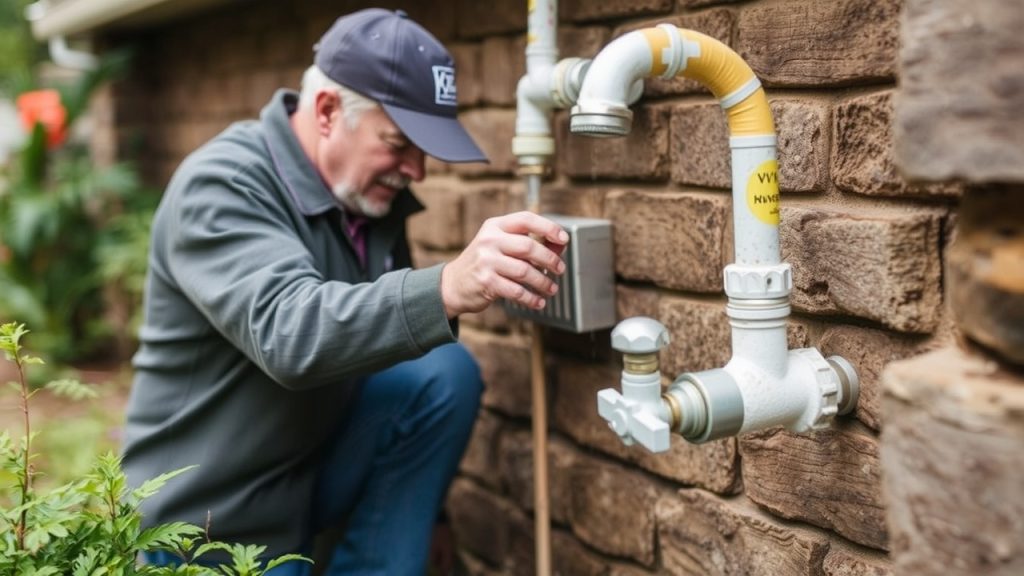
As you’re dealing with a plumbing emergency, it’s essential that you know how to shut off the water supply quickly. You’ll need to locate the main valve, which controls the water flow to your home.
It’s vital to familiarize yourself with its location beforehand. Practice shutoff drills to make sure you can turn it off swiftly in case of an emergency.
Familiarize yourself with the main valve location to ensure swift action in emergencies.
This simple preparation can save you from significant water damage. By knowing how to shut off the main valve, you’ll be able to prevent further damage and make repairs easier.
Take a few minutes to practice shutting off the water supply, and you’ll be better prepared to handle any plumbing emergency that comes your way. This knowledge will give you peace of mind and help you respond quickly in a crisis.
Temporary Pipe Repair Solutions
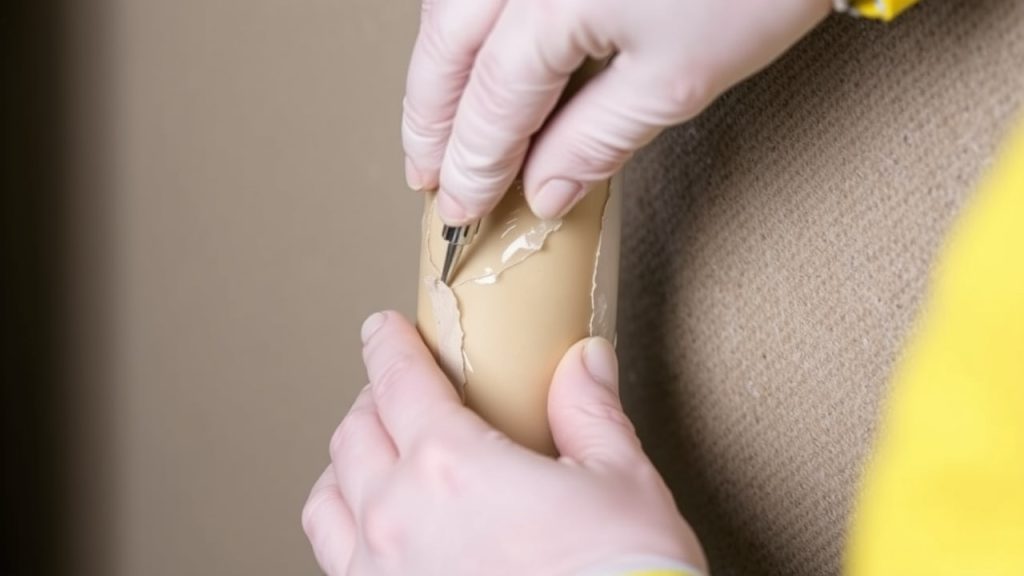
Because you can’t always wait for a professional to arrive, you’ll need to know how to temporarily repair a damaged pipe. You can use epoxy patches or rubber sleeves to fix leaks.
| Repair Method | Description |
| Epoxy Patches | Seal small cracks |
| Rubber Sleeves | Wrap around damaged area |
| Clamps | Hold sleeves in place |
You’ll apply these solutions to stop the leak and prevent further damage. Epoxy patches are ideal for small cracks, while rubber sleeves can be used for larger damage. By using these temporary fixes, you can prevent water damage until a professional can make a permanent repair.
DIY Drain Clearing Methods
Fixing clogged drains yourself can save you time and money.
Fixing clogged drains yourself saves time and money.
You can try using Enzyme Cleaners to break down blockages.
For tougher clogs, you’ll need to use other methods.
- Use a Wire Hanger to create a makeshift snake to reach deep into the drain.
- Apply baking soda and vinegar to create a chemical reaction that clears the clog.
- Use boiling water to dissolve grease and other debris.
By trying these methods, you can clear your drains without calling a plumber, saving you money and hassle.
Remember to act quickly to avoid further damage.
With these DIY methods, you can keep your drains flowing freely.
Managing Water Pressure Issues
You’ll notice water pressure issues when your shower’s a trickle or your sink fills slowly.
This can be frustrating, especially when you’re in a hurry.
You can fix this by checking your pressure regulator, which controls the water pressure in your home. If it’s faulty, you’ll need to replace it to get your water pressure back to normal.
Another issue you might encounter is Water hammer, which occurs when water flows through your pipes and suddenly stops, causing a loud banging noise. You can prevent this by installing shock absorbers or air chambers to cushion the shock.
By taking these steps, you’ll be able to manage water pressure issues and prevent further damage to your pipes. You’ll have better water flow and fewer problems with your plumbing system.
This will save you time and money in the long run.
Preventing Frozen Pipe Disasters
You can prevent frozen pipe disasters by insulating your pipes, especially in cold areas like the garage, basement, or crawlspace.
When you insulate your pipes, you’re reducing the risk of them freezing and bursting, which can cause costly damage to your home.
You’ll want to focus on insulating pipes in unheated areas, as they’re more prone to freezing, and consider using foam pipe insulation or heat tape to keep them warm.
Pipe Insulation
Proper pipe insulation is key to preventing frozen pipe disasters.
You’re protecting your home from damage by taking this step.
Pipe insulation also provides sound insulation and boosts energy efficiency.
Consider the following:
- Insulate exposed pipes
- Seal gaps and cracks
- Use foam pipe insulation.
By doing so, you’re ensuring your pipes are safe from freezing temperatures and reducing heat loss, which improves energy efficiency and saves you money.
You’ll also enjoy a more peaceful environment due to the sound insulation.
Cold Areas
As winter sets in, cold areas in your home, such as unheated garages, basements, or crawl spaces, become more susceptible to frozen pipe disasters. You’ll want to take steps to prevent this.
Check for winter ventilation in these areas to make sure it’s adequate. Insulate exposed pipes to protect them from frost heave, which can cause pipes to burst.
You should also consider installing freeze-proof faucets in vulnerable areas. By taking these precautions, you can help prevent frozen pipe disasters and avoid costly repairs. Keep your home’s cold areas well-maintained to minimize the risk of frozen pipes.
Fixing Leaky Faucets Quickly
Fixing a leaky faucet doesn’t have to be a challenging task.
You can fix it quickly by identifying the source of the leak.
To do this, you’ll need to take apart the faucet and inspect its components.
Here are the steps you can follow:
- Try an aerator cleaning to remove any debris that may be causing the leak
- Check the cartridge for damage and consider a cartridge swap if necessary
- Inspect the O-rings and gaskets for any signs of wear or damage.
By following these steps, you can fix a leaky faucet quickly and easily, saving you time and money on your water bill.
You’ll be able to stop the leak and get your faucet working properly again.
Clogged Toilet Hacks
You’ve probably encountered your fair share of leaky faucets, but what about a clogged toilet – it’s a whole different story. When you’re faced with a clogged toilet, you need to act fast to prevent further damage. You’re looking for a solution that provides Odor Elimination and Quick Deodorizing.
You can use a plunger or a toilet auger to unclog the toilet. If the clog is severe, you may need to use a combination of baking soda and vinegar to break down the blockage. This method also helps with Quick Deodorizing, leaving your bathroom smelling fresh.
Remember to wear gloves and work carefully to avoid making a mess. By taking these steps, you’ll be able to resolve the issue and achieve effective Odor Elimination, getting your toilet back to normal in no time. You’ll be relieved to have a functioning toilet again.
Basement Flood Prevention Tips
Preventing basement floods is essential, given the potential for severe water damage and costly repairs.
Preventing basement floods is crucial to avoid severe water damage and costly repairs.
You’re taking steps to protect your home by considering ways to prevent floods.
To do this, you’ll want to focus on exterior measures, including:
- Installing window well covers to prevent water accumulation
- Ensuring proper landscaping drainage to direct water away from your home
- Regularly inspecting your home’s foundation for cracks or vulnerabilities.
By taking these steps, you’re reducing the risk of basement floods.
Effective prevention measures, such as window well covers and landscaping drainage, can save you time and money in the long run, minimizing the need for costly repairs and allowing you to enjoy your home with peace of mind, knowing you’ve taken proactive steps to prevent basement floods.
Essential Tools for Plumbing Emergencies
You’ll need to stock up on basic tools, such as wrenches and pliers, to tackle common plumbing issues.
It’s also a good idea to assemble an emergency kit that includes essentials like a plunger and pipe tape.
Basic Tools
A well-stocked toolkit is your best defense against common plumbing emergencies.
You’ll want to focus on tool maintenance and storage to make sure they’re always ready.
Consider the following essentials:
- Adjustable wrench
- Plunger
- Pipe tape. Regular tool maintenance and proper storage will help you respond quickly to emergencies. You’re keeping your tools in good condition and within easy reach, making it easier to tackle issues as they arise.
Emergency Kits
Since plumbing emergencies can strike at any moment, it’s crucial to have an emergency kit that’s equipped with the essentials.
You’ll want to include basic tools, a first aid kit, and medication storage.
Don’t forget to add pet supplies, like food and water, in case you can’t leave your home.
This kit will help you respond quickly and effectively to emergencies.
You’re preparing for the unexpected, so consider what you’ll need to stay safe and comfortable.
Pack essentials in a portable container, and you’ll be ready to handle plumbing emergencies with confidence.
Frequently Asked Questions
Can I Use Duct Tape for Plumbing?
You can’t rely on duct tape for permanent plumbing fixes, it’s only good for temporary patching, as adhesive failure is likely to happen, causing more leaks and damage over time, you’ll regret it.
Is Plumbing Insurance Worth It?
You decide if plumbing insurance is worth it by reviewing coverage limits and the claim process, considering it’ll help you avoid huge bills when you’re dealing with unexpected plumbing emergencies suddenly.
How Often Drain Pipes Cleaned?
You should clean drain pipes during seasonal maintenance, ideally every 6-12 months, and schedule an annual inspection to prevent clogs and make sure they’re flowing freely, don’t wait for issues to arise suddenly.
Can I DIY Plumbing Installation?
You can DIY plumbing installation, but you’re checking permit requirements and selecting the right tools, ensuring you’re equipped to handle the job, isn’t easy, you’re still considering hiring a pro.
Are Plumbing Warranties Transferable?
You’ll find that plumbing warranties are transferable if you meet transfer conditions and fulfill the registration requirement, typically by notifying the manufacturer, you’re allowed to transfer the warranty to a new owner.
Final Thoughts
Plumbing emergencies don’t wait—and the best “hack” is being ready before something leaks, floods, or backs up. When you know how to shut off water, handle safe temporary fixes, and recognize when a problem is getting worse, you can limit damage, protect your home, and avoid expensive repairs.
If you’re dealing with an urgent leak or pipe issue, get help fast with 24/7 emergency plumbing services or dedicated fast emergency plumbing solutions in Metro Detroit. For burst pipes and active leaks, professional pipe repair and24/7 pipe repair services can stop the problem correctly and help prevent repeat failures.
If the emergency involves backups or slow drains that keep coming back, schedule expert drain cleaning, or step up to hydro jetting for heavy buildup. When you need proof of what’s happening inside the line—especially for recurring clogs—use a camera sewer inspection to pinpoint the cause before it turns into a bigger sewer problem.
When you’re ready to stop guessing and get a reliable fix, contact DNA Honest Plumbing for fast service, clear pricing, and long-term solutions across Metro Detroit.