Skip to content
If your sink or tub drains slowly, smells foul, gurgles, or backs up into other fixtures, you need cleaning now. Frequent clogs, sudden low water pressure, visible mold or mildew by drains, persistent pest activity, or sewage odors in the yard all signal urgent problems. These signs often mean trapped debris, grease, damaged traps, or vent issues that can harm health and plumbing. Keep going and you’ll find clear steps and when to call a pro.
Key Takeaways
- Persistent slow draining or water pooling in sinks, tubs, or showers despite plunging.
- Repeated clogs in the same fixture after snaking or plunging.
- Foul, lingering sewage or rotten-egg odors coming from drains or yard drains.
- Gurgling, bubbling, or water backup into other fixtures when drains are used.
- Visible mold, mildew, or ongoing pest activity near drains indicating trapped organic buildup.
Persistent Slow Draining in Sinks and Tubs
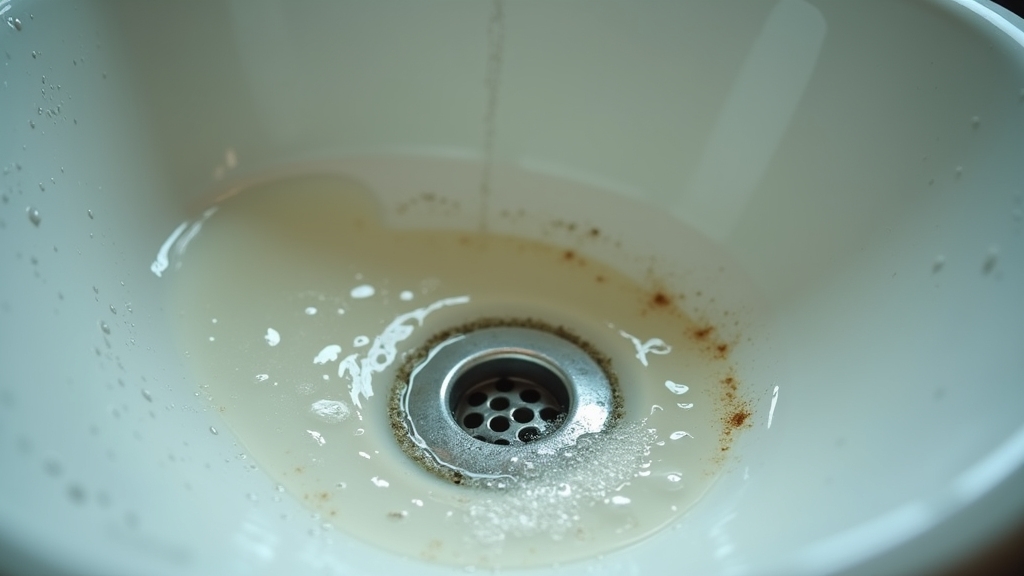
When your sink or tub starts to drain slowly, don’t ignore it—it’s a clear sign that debris, grease, or hair is building up in the pipes.
You’ll notice water pooling or taking longer to clear, and that’s the system telling you it needs attention before a full blockage forms.
Start by checking visible traps and clean them; many clogs live there.
If the problem persists, consider influences beyond surface grime: incorrect pipe sizing can restrict flow, and hidden installation errors—like misaligned fittings or improper slopes—can trap material and slow drainage over time.
You don’t have to diagnose everything yourself, but knowing these causes helps when you call a pro. A plumber can inspect venting, measure flow, and correct installation faults so you avoid repeat clogs.
Addressing slow drains early saves you money and prevents damages that come from backups or overflows.
Foul, Lingering Odors From Drains
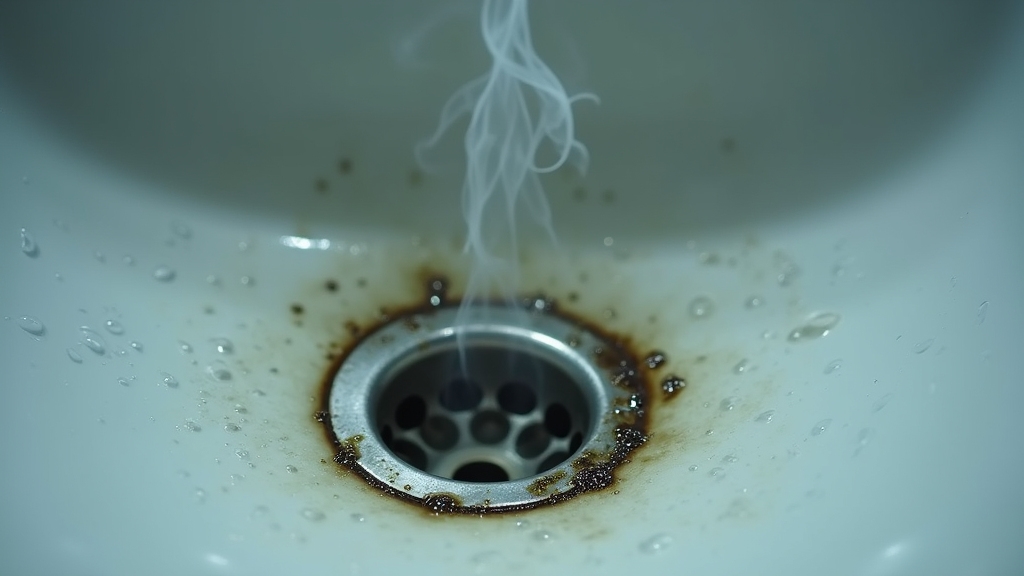
Slow drains often come with another clue you shouldn’t ignore: foul, lingering odors wafting from sinks, tubs, or floor drains.
When you notice a sour, musty smell that sticks around, it’s often caused by biofilm buildup — a slimy layer of bacteria, grease, and soap scum that clings to pipe walls.
A persistent sour, musty smell often signals biofilm buildup — a slimy mix of bacteria, grease, and soap scum.
That film breaks down organic matter and releases gases that travel back up into your room.
You can address mild odors yourself by flushing drains with hot water and using a mixture of baking soda and vinegar to loosen residues.
For persistent smells, try enzymatic cleaners formulated to break down organic material without harsh chemicals; they digest the food source for biofilm, reducing odor at its source.
If smells return despite treatment, the problem may lie deeper in the trap or venting system, so call a professional plumber to inspect and clean inaccessible sections before odors become a health or sanitary issue.
Frequent or Recurring Clogs
Frequently dealing with clogs is a clear sign your drains need cleaning — if you’re plunging or snaking the same sink week after week, something more than coincidence is at work.
Recurring blockages mean material is building up inside your pipes, reducing flow and inviting backups.
You should consider professional cleaning when simple fixes stop working, because repeated clogs often point to persistent grease accumulation, hair mats, or even foreign objects lodged downstream.
Think about what returns most often and address habits that cause it:
- Kitchen sinks: grease accumulation from cooking oils that solidify and trap food particles.
- Bathroom drains: hair and soap scum forming dense tangles that resist plunging.
- Laundry or utility drains: small foreign objects or lint compacting in traps and bends.
A proper inspection finds the blockage location and type so you can prevent repeats.
Acting now avoids stronger clogs, pipe damage, and costly repairs later.
Gurgling or Bubbling Sounds When Drains Are Used
If you hear gurgling or bubbling whenever you run water, your drains are trying to tell you there’s a blockage or ventilation issue somewhere in the system. Those noises often mean air is being trapped and forced through standing water as it moves, a sign that venting mechanics aren’t working properly.
You’ll notice the sound more when multiple fixtures run, because trapped air shifts and produces distinct pipe resonance that travels along drain lines. Listen for irregular, repeating bubbles rather than occasional splashes — that pattern points to partial clogs or a blocked vent stack.
You can check accessible vents on your roof for debris and verify slow drainage across fixtures; both suggest impaired airflow. While small amounts of gurgling might seem minor, persistent or worsening sounds indicate you should act: clear hair and grease from traps, inspect vent openings, or call a pro to diagnose hidden blockages affecting venting mechanics and pipe resonance before the problem escalates.
Water Backing up Into Other Fixtures
When gurgling leads to more than noise, you may start seeing water from one fixture flow into another — a clear sign of a shared drain blockage or overwhelmed main line.
You’ll notice sink water creeping into the bathtub, or toilet water rising when you run the washing machine.
That cross-connection usually means there’s a mainline blockage or venting problems that prevent air from moving through the system, so water seeks the path of least resistance.
Watch for these patterns:
- Simultaneous backups when you use one fixture, showing a shared clog or mainline issue.
- Air bubbles or slow drains in multiple fixtures, hinting at venting problems.
- Foul odors or black water moving between fixtures, indicating trapped waste and an urgent need to clear the line.
Don’t ignore recurring cross-connection backups — they often require professional inspection to locate and fix the mainline or venting problem before damage or health risks increase.
Sudden Decrease in Water Pressure
If your faucets suddenly have low flow, you’ll notice showers and sinks struggling to deliver water.
That drop can come from clogged supply lines or obstructions further down the system.
Check both the fixture aerators and the supply lines to pinpoint where the restriction.
Low Flow at Fixtures
Noticing weaker water flow at a sink or shower? You might be dealing with low flow at fixtures caused by an aerator blockage or mineral buildup in the faucet.
Before assuming a major problem, check simple sources and act quickly to avoid larger drain issues.
- Look at the faucet aerator: unscrew it, inspect for debris, and clean or replace if clogged.
- Check showerheads and visible spray holes for mineral buildup; soak in vinegar to dissolve deposits.
- Run multiple fixtures: if only one is affected, the issue is local; if many are weak, consider a thorough drain cleaning.
You’ll get faster fixes and more predictable water performance by addressing these signs early and keeping fixtures maintained.
Clogged Supply Lines
Because mineral deposits, corrosion, or debris can build up inside your home’s supply pipes, you may suddenly see a sharp drop in water pressure at multiple fixtures. You’ll notice weaker showers, slow-filling tubs, or taps that sputter; mineral buildup inside lines or valve corrosion at shutoffs often causes that. Start by checking visible valves, aerators, and the main shutoff; flush faucets and inspect for rust. If pressure improves after cleaning, the issue was likely localized. If multiple points stay weak, you may have widespread scale or internal pipe corrosion and should call a plumber. Addressing clogged supply lines early prevents bigger damage and costly replacements.
| Symptom | Likely cause | Action |
| Low pressure everywhere | Mineral buildup | Flush, call plumber |
| Sputtering tap | Valve corrosion | Clean/replace valve |
| Slow shower | Scale in line | Descale treatment |
| Intermittent loss | Debris | Flush system |
Sewage Smells Indoors or Around Yard Drains
If you’re noticing a persistent sewage odor inside your home, it’s a strong sign something’s wrong with the drains or traps.
You might also smell gassy sewage around yard drains after rain or when the system is under load.
Don’t ignore these smells—they often mean clogged lines, broken seals, or venting issues that need prompt attention.
Persistent Sewage Odor
When a strong sewage smell lingers in your home or around yard drains, it’s a clear sign something’s wrong in the plumbing system or drain lines.
You shouldn’t ignore it: persistent sewage odor can signal blockages, broken seals, or sewer line issues that expose you to hazards. Consider health implications like respiratory irritation or exposure to bacteria, and remember any legal responsibilities if waste is affecting neighbors or municipal systems.
- Check fixtures and traps for dry seals or visible leaks you can fix quickly.
- Note timing and location of odors to help a pro diagnose sewer line vs. vent issues.
- Call a licensed plumber if smells persist; they’ll test, inspect, and document repairs for compliance and safety.
Backyard Drain Gasses
Ever notice sewer-like smells wafting from yard drains or sneaking into your home? You’re likely sensing backyard drain gasses escaping through dry traps, cracked seals, or clogged vents.
Gas dispersion patterns depend on wind, temperature, and ground saturation, so odors can travel unpredictably and infiltrate nearby windows or basement vents. Seasonal variations matter: warm months speed bacterial activity and intensify smells, while heavy rains can force gases out of lateral lines.
Inspect visible drain covers, test traps for standing water, and listen for gurgling after fixtures run. If you detect recurring odors, schedule a professional cleaning and camera inspection to locate blockages, damaged seals, or venting issues before gases pose health or nuisance problems.
Visible Mold or Mildew Near Drains
Often you’ll spot mold or mildew as dark, fuzzy patches around your sink, bathtub, or shower drain — and that’s a clear sign something’s wrong.
You should act because mold identification matters: different species need different cleaning approaches, and recurring growth often means moisture and organic material are trapped in the drain system.
Act quickly: identifying mold guides proper cleaning, and repeated growth often signals trapped moisture and organic buildup in drains
Inspect the area carefully, smelling for musty odors and checking grout, caulk, and drain covers.
- Clean visible mold with an appropriate cleaner and a brush, rinsing thoroughly to remove spores.
- Fix leaks and improve ventilation to reduce moisture that feeds mildew.
- Consider preventive coatings on grout or around drains to limit moisture penetration and make future cleaning easier.
If mold returns quickly despite these steps, the problem may be deeper in the drain line or venting. Call a professional to avoid health risks and stop structural damage.
Unusual or Persistent Pest Activity Around Drain Areas
If you spot ants, roaches, flies, or even rodents frequenting sink, shower, or floor-drain areas, that’s a strong sign pests are using your drains for food, water, or shelter. You should act quickly: pests will exploit organic buildup and damp conditions as entry pathways into living spaces. Inspect traps, clean strainers, and remove gunk with enzymatic cleaners. Seal gaps around pipes and vents as exclusion strategies to block repeat intrusions. Monitor activity after cleaning to confirm success.
| Sign | What to do |
| Ant trails near sink | Scrub drain, set bait, seal crevices |
| Flying insects | Clean sludge, run water, use drain covers |
| Cockroach sighting | Deep clean, bait, check floor drains |
| Rodent presence | Inspect larger openings, trap, seal pipes |
If pests persist, call a professional who can inspect hidden plumbing faults and recommend targeted treatments that address the root cause rather than just symptoms.
Frequently Asked Questions
Can Drain-Cleaning Chemicals Damage My Pipes or Septic System?
Yes — you can damage pipes or septic systems if you use harsh chemicals; they’ll cause chemical corrosion and risk septic contamination. You should avoid frequent chemical use, choose safer alternatives, or consult a professional.
How Often Should I Schedule Professional Drain Maintenance?
You should schedule professional drain maintenance every 6–12 months, with seasonal inspections and preventive intervals tailored to usage or issues; contractors’ll recommend more frequent visits if you’ve heavy use, older pipes, or recurring clogs.
Can Tree Roots Cause Sudden Drain Failures?
Yes — you can experience sudden failures when root intrusion forces pipe fracturing, because roots exploit joints and cracks, expanding rapidly; you should inspect, trim nearby trees, and repair or replace damaged sections promptly to prevent collapses.
Are Enzyme Cleaners Effective Long-Term for Grease Clogs?
They can help short-term, but they won’t always work long-term for grease clogs: microbial consortia break fats down, but they’re temperature sensitive and need repeated application and proper conditions, so don’t expect a permanent fix.
Will Homeowners Insurance Cover Drain-Related Water Damage?
Usually you won’t get full coverage; policies often exclude gradual damage and sewer backups unless riders are added. You should document damage thoroughly, gather receipts and photos, and provide clear claim documentation to improve approval chances.
Conclusion
Final Thoughts
If you notice any of these warning signs—slow drains, foul odors, recurring clogs, gurgling sounds, backups, sudden low water pressure, sewage smells, visible mold, or unusual pest activity—don’t wait. Ignoring early symptoms allows blockages, sewer issues, and hidden drain problems to escalate into costly repairs, structural damage, and health hazards. Acting now by scheduling a professional inspection and thorough drain cleaning prevents small issues from becoming emergencies.
For fast, reliable help, DNA Honest Plumbing provides professionaldrain cleaning services, advancedhydro jetting for stubborn buildup, and full-system diagnostics includingcamera sewer inspections. If your drain issues are linked to interior plumbing or fixture problems, explore ourinterior plumbing andplumbing fixture repair services for complete support. You can also browse our entire list ofexpert plumbing services to stay ahead of future drainage issues.
Take action early to protect your home, maintain a healthy environment, and keep your plumbing running smoothly. For immediate assistance or to schedule a professional drain assessment, contact us here:Contact DNA Honest Plumbing