Skip to content
Stop worrying about leaks—call 24/7 licensed plumbers who triage fast, shut off water, and stabilize damage. If it’s sewage, a burst line, water in walls, gas hissing, or critical hot water loss, it’s an emergency. Shut the nearest valve, cut power if water’s near outlets, and contain with towels. Expect upfront, line-item pricing and ID’d techs who scope, isolate, and use trenchless, no-mess repairs like liners and hydro-jetting. You’ll protect finishes, control costs, and regain peace of mind—here’s how.
Key Takeaways
- 24/7 dispatch sends the nearest licensed tech to stop active leaks, with ETA updates and ID on arrival.
- Immediate guidance: shut water/gas, cut power if needed, depressurize lines, and contain with towels, buckets, and tarps.
- Upfront, written estimates show parts, labor, after-hours fees, model numbers, warranties, and defined exclusions.
- Camera inspections and leak location pinpoint issues; trenchless lining or spot patches restore pipes with minimal disruption.
- Hydro-jetting cleans without harsh chemicals; areas are sanitized and left debris-free to protect finishes and prevent odors.
What Counts as a True Plumbing Emergency
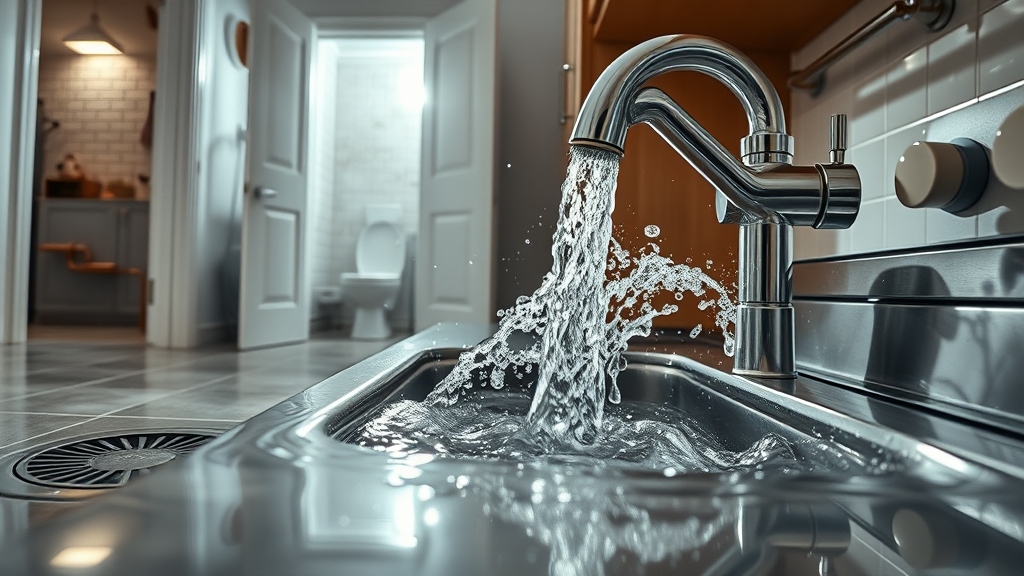
When water is gushing, sewage is backing up, or a gas line is hissing, you’re facing a true plumbing emergency that can’t wait. You’re looking at events that escalate fast: burst supply lines, active leaks near electrical systems, sewage odors with wet floors, or a confirmed sewer backup. Prioritize anything threatening health, habitability, or structural integrity.
If water is infiltrating walls, subfloors, or ceilings, the risk of structural damage, mold growth, and electrical hazards is high. No hot water can be urgent if it compromises sanitation or medical needs. Frozen pipes, water heater leaks, or constant toilet overflow merit rapid intervention.
Any system failure that endangers safety, contaminates water, or accelerates property loss qualifies as a genuine emergency requiring immediate professional response.
Immediate Steps to Take Before Help Arrives
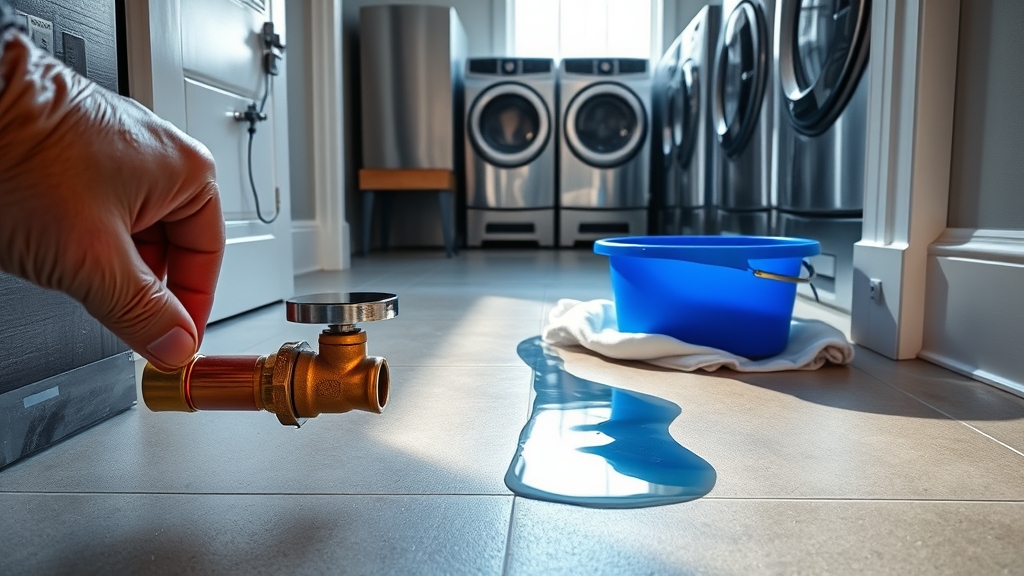
Start by shutting off the water at the nearest valve or main.
If water’s near outlets or appliances, kill power safely at the breaker, not the device.
Contain the leak with towels or buckets and document damage with photos before the plumber arrives.
Shut Off Water
Even before a plumber is on the way, cut off the water to stop damage fast.
Go straight to the source. If a fixture’s leaking, use appliance isolation: close the dedicated stop valve under the sink, behind the toilet, or on the washing machine hoses.
For supply-line bursts or mystery leaks, shut the main. Know your valve locations in advance—often a wheel or lever near the water meter, curb box, or where the main enters the home. Turn clockwise on gate valves; turn levers a quarter-turn so they’re perpendicular to the pipe.
After closure, open nearby faucets to depressurize lines and drain residual water. Note whether flow slows or stops; that confirms the correct valve.
Keep a wrench, flashlight, and gloves ready for rapid response.
Kill Power Safely
Water’s off and damage is slowing—now cut electricity to stay safe around leaks.
Head to the main panel and use deliberate circuit identification: trace labels, verify affected rooms, and prioritize circuits serving wet areas, GFCIs, and appliances near the leak. If labels are unclear, shut off the main breaker to eliminate ambiguity.
Stand on a dry surface, wear rubber-soled shoes, and use one hand to operate breakers. Never touch wet panels or cords. After de-energizing, test with a non-contact voltage tester at nearby outlets to confirm zero voltage.
Apply basic lockout procedures: place tape or a breaker lock, tag the panel with “Do Not Energize—Water Intrusion,” and inform everyone at home. Keep circuits off until a licensed professional inspects and restores power.
Contain and Document
Once the power’s cut, move fast to contain the leak and record what’s happening. Close the fixture’s shutoff or the main, then stage towels, pans, and a bucket under the active drip.
Protect flooring with plastic or tarps; elevate rugs and furniture on foil-wrapped blocks. Ventilate the area and isolate unaffected rooms.
Document with intent. Capture wide shots, then close-ups for Photo Evidence, including the shutoff position, ceiling stains, and any warped trim.
Time-stamp your notes and photos. Create a quick sketch for Moisture Mapping: mark wet boundaries, suspect migration paths, and ceiling/floor levels.
Use a moisture meter if you have one; log readings by location. Keep samples of damaged materials.
Finally, tag the source, path, and impacts so your plumber can triage instantly.
Early Warning Signs That Prevent Costly Damage
Often, the smallest clues save you the biggest repair bills. Train your senses and you’ll catch issues before they escalate.
Musty odors signal hidden moisture breeding mold behind walls or under flooring. Discolored water points to pipe corrosion, sediment, or a failing heater—flush, test, and investigate sources immediately.
Listen for ticking, hissing, or intermittent dripping; sound changes often precede visible leaks. Watch your meter: if it moves with fixtures off, you’ve got a supply-side leak.
Note pressure swings, slow drains, or bubbling paint; each indicates stress, saturation, or vapor pathways. Inspect under sinks and around toilets for mineral trails and soft cabinetry.
Track utility spikes and seasonal shifts. Document findings with photos and dates to see patterns and act decisively.
How 24/7 Services Respond and What to Expect
Whether it’s midnight or a holiday, an on-call dispatcher answers, triages your issue, and sends the nearest licensed tech with the right gear.
You’ll experience a tight dispatch protocol: targeted questions, priority scoring, and GPS routing to cut travel time.
Expect an ETA, prep instructions (isolate water, protect power), and a safety-first arrival.
The pro shows technician professionalism from the curb: ID shown, boot covers on, and a concise plan.
They stabilize first—stop active leaks, cap lines, clear blockages—then verify performance with pressure or dye tests.
You get a brief debrief on root cause and remediation options, plus next steps for permanent correction.
- Immediate triage and routing
- Clear ETA and safety prep
- Stabilization and validation tests
- Root-cause briefing and follow-up steps
Transparent Pricing, Estimates, and No-Surprise Bills
You deserve upfront rate transparency before anyone grabs a wrench.
Ask for a detailed written estimate that lists parts, labor, and any after-hours fees.
That way, you approve the numbers first and avoid surprise bills later.
Upfront Rate Transparency
Usually, the stress of a plumbing problem spikes when pricing feels vague, so we cut through that with upfront rate transparency.
You’ll know rates before work begins, including labor, parts, and dispatch. We provide clear line items, so you can judge value and allocate budget with confidence.
We also deliver pricing education and simple comparison tools that let you benchmark our rates against market averages.
Here’s how you stay in control:
- Fixed base rates for common services, so scope creep doesn’t inflate costs.
- Clear time-and-materials thresholds that define when rates switch and why.
- Parts pricing published by tier (standard, premium), so you choose performance and price.
- Visual summaries that map problem severity to solution levels, avoiding overspending.
No surprises—just informed decisions and predictable invoices.
Detailed Written Estimates
How do you avoid surprise charges when a leak turns into a larger repair? Demand a detailed written estimate before work begins. You’ll see line‑item pricing for diagnostics, parts, labor hours, permits, and disposal, so Scope clarity isn’t guesswork.
The estimate should define contingencies—what triggers a change order, who approves it, and revised timelines—so you control spend.
Insist on model numbers, material grades, and code references. Require measurable milestones, access needs, and site protection steps.
Verify tax, trip fees, and after‑hours rates. Confirm warranty details in writing: coverage length, what’s included (labor, parts, workmanship), and claim procedures.
Sign only when exclusions are explicit: drywall repairs, fixture refinishing, or unrelated code upgrades. With disciplined documentation, you’ll lock in expectations and eliminate no‑surprise bills.
Modern, No-Mess Repair Methods That Protect Your Home
While leaks and blockages once meant tearing into walls and floors, today’s plumbers fix many problems with precise, low-impact techniques that spare your home. You get targeted diagnostics with high-resolution cameras, then surgical interventions that keep finishes intact.
Trenchless repairs renew failing sewer and water lines from small access points, avoiding excavation, noise, and dust. Epoxy liners and spot patches seal cracks, while antimicrobial coatings inside pipes help inhibit biofilm growth and odors.
Hydro-jetting restores full flow without harsh chemicals. You preserve structure, reduce downtime, and control risk.
- Inspect intelligently: video scoping and leak correlation pinpoint faults.
- Restore in-place: trenchless repairs and cured-in-place lining rebuild longevity.
- Sanitize strategically: antimicrobial coatings protect internal surfaces.
- Finish cleanly: hydro-jetting and vacuum extraction leave zero debris.
Frequently Asked Questions
Do You Service Tankless Water Heaters and Smart Leak Detectors?
Yes—we service tankless water heaters and smart leak detectors. You’ll get precision Tankless Maintenance, firmware updates, flushing, descaling, and vent verification, plus Detector Calibration, sensor mapping, connectivity hardening, and battery optimization to guarantee reliable alerts and peak system efficiency.
Can You Coordinate Directly With My Homeowners Insurance?
Yes, you can have us coordinate directly with your homeowners insurance. We streamline claims assistance, handle documentation, and facilitate direct billing. You’ll approve scopes, receive transparent updates, and retain control while we manage adjuster communication and maximize eligible coverage.
Are Your Plumbers Background-Checked and Drug-Tested?
Yes. You get technicians who pass rigorous background-checked criminal screenings, identity verification, and ongoing drug testing. We audit compliance, track certifications, and retrain for lapses. You’ll know exactly who’s arriving, their credentials, and their performance history before dispatch.
Do You Offer Membership Plans or Maintenance Subscriptions?
Yes, you can enroll in maintenance subscriptions. You’ll gain Membership Benefits like annual inspections, discounted repairs, and extended warranties, plus Priority Scheduling for urgent calls. You manage renewals, track service history, and optimize system performance proactively.
What Warranties or Guarantees Cover Parts and Labor?
You’re covered by clear parts warranties and written labor guarantees. You’ll get manufacturer-backed component protection and our workmanship promise, with defined coverage periods, exclusions, and claim steps. You’ll receive documentation at installation and proactive follow-ups to verify performance and accountability.
Final Thoughts
You don’t have to lose sleep over leaks again. When water starts where it shouldn’t, DNA Honest Plumbing is ready 24/7 with licensed, background-checked pros, clear pricing, and modern, no-mess repair methods that protect your home and budget.
From burst pipe repairs and slab leak detection to sewer line repair and hydro-jetting services, we use advanced technology—cameras, acoustic sensors, and trenchless systems—to pinpoint and solve problems fast. You’ll also get water heater repair and replacement, sump pump service, and emergency gas leak response backed by warranties and clean documentation for your insurer.
Planning ahead? We also offer membership maintenance plans, winter plumbing prep, and backflow prevention inspections to keep your plumbing system protected year-round.
Call 586-257-1272 anytime for immediate dispatch in Sterling Heights, Macomb County, or anywhere in the Metro Detroit area, or visit our Contact Page to request help now.
DNA Honest Plumbing — Fast. Fair. Reliable. We stop the leaks, protect your property, and give you back peace of mind—day or night, rain or shine.